








The upcoming Formula 1 weekend in Nevada presents a stern test for Ferrari, particularly given the circuit layout that heavily emphasizes raw power unit performance. The iconic night street circuit features massive straightaways that are expected to expose the limitations of the Maranello powerplant, echoing the aerodynamic and speed challenges faced earlier at Monza.
Achieving optimal tire temperatures on the cold asphalt will be crucial, but success on the Strip Circuit ultimately hinges on pure engine output and energy deployment. With four long straights—including a staggering two-kilometer flat-out run—Charles Leclerc and the team must brace themselves to extract every ounce of performance to counter their straight-line speed deficit.
Energy management in modern power units will be stretched to the limit, highlighting the superior electrical deployment historically shown by rival manufacturers like Mercedes. While competitors can utilize abundant low-end acceleration to conserve battery charge during the initial phase of straights, teams struggling with efficiency are forced into a more conservative energy-saving strategy over race distance.
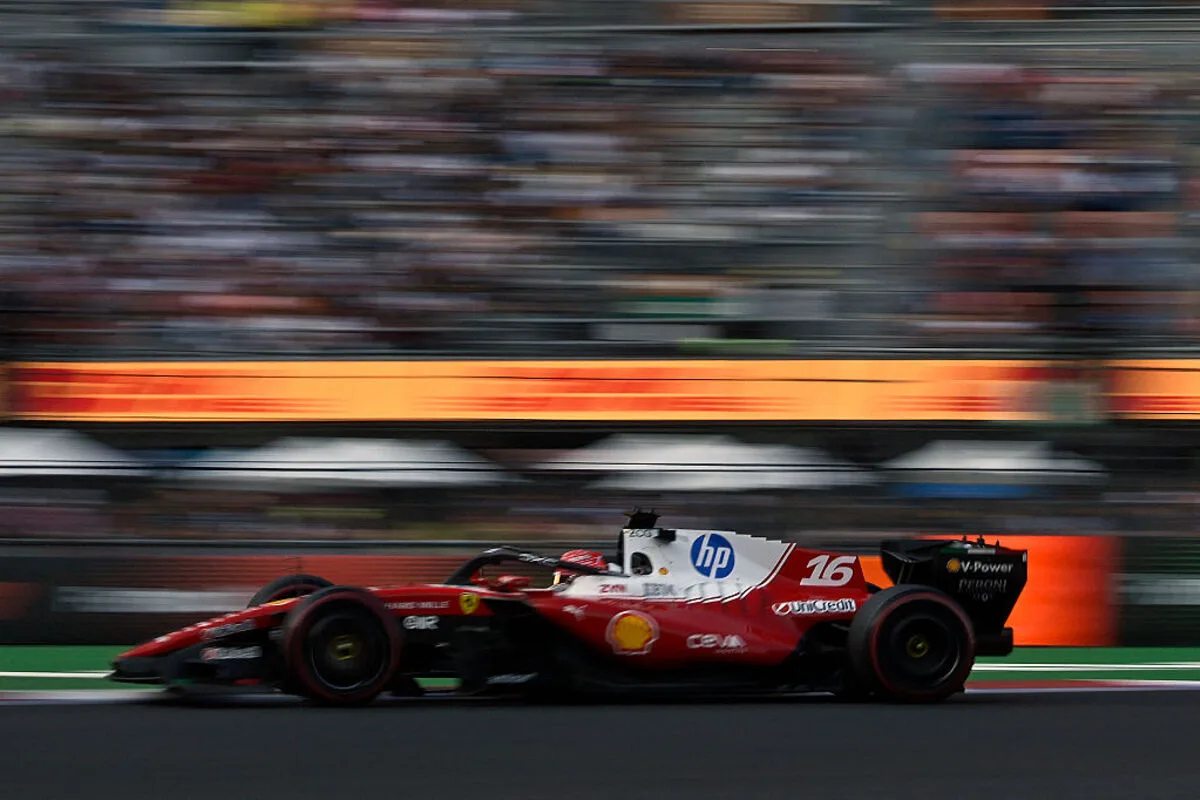
To mitigate these inherent weaknesses, the technical crew is expected to reuse specialized low-drag aerodynamic packages previously deployed at European rounds. Modifications to sidepod bargeboards, mirror mountings, and simplified rear suspension assembly details are set to reappear in the garage to minimize aerodynamic drag.
Navigating these technical hurdles will require flawless tactical execution from the pit wall to keep their contenders in the points fight. Read our in-depth analysis and catch all the latest updates on this weekend's action right here.
Baca Juga
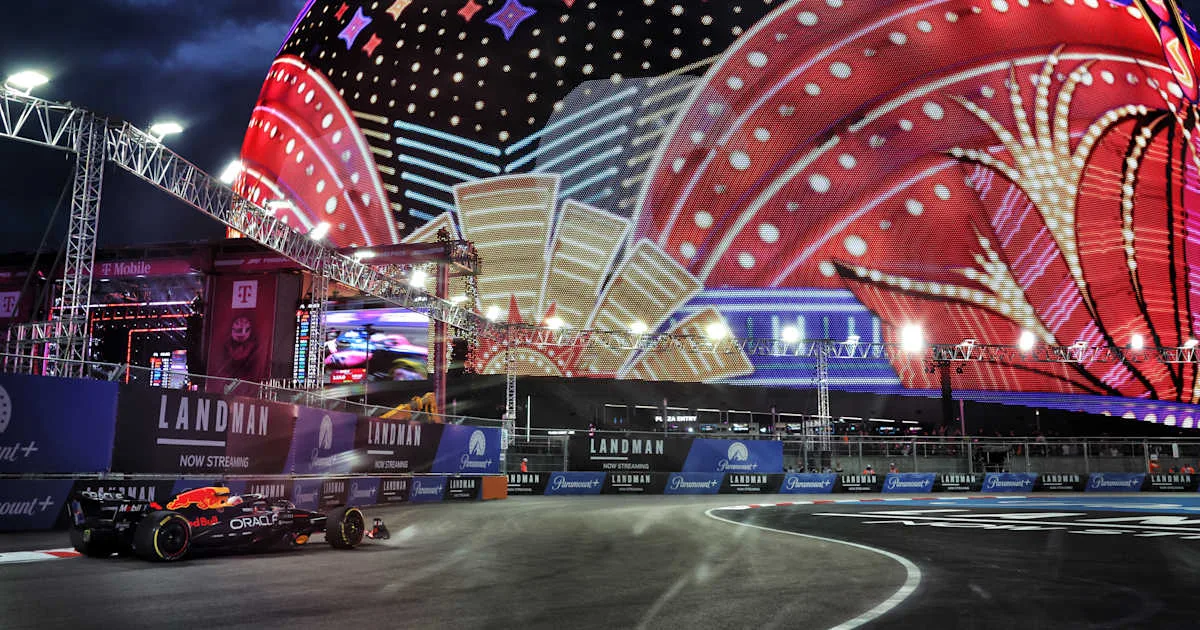
Simak analisis teknis Max Verstappen jelang GP Las Vegas . Fokus pada manajemen ban dan energi untuk tiga seri terakhir musim ini. Baca selengkapnya di sini.
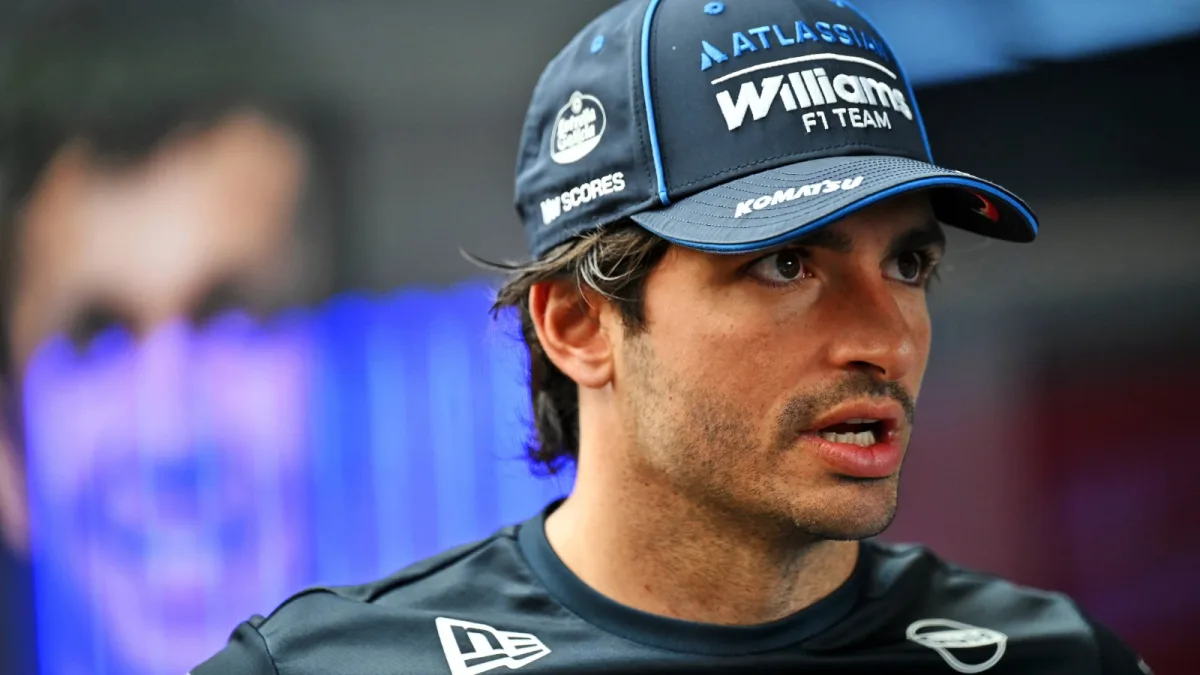
Simak pengakuan jujur Carlos Sainz mengenai kepedihan didepak Ferrari dan bagaimana hal itu memicu kebangkitannya. Baca analisis selengkapnya di sini.

Toto Wolff soroti dominasi tradisi Italia di garasi Mercedes F1 dan energi positif Kimi Antonelli. Baca analisis mendalam di sini!
 Lanjutkan dengan Google
Diskusi & Komentar (0)
Mari Bergabung dalam Diskusi!
Masuk dengan mudah untuk mulai memberikan komentar, membalas, dan berinteraksi dengan pembaca lainnya.
Komentar Terbaru
Belum ada komentar. Jadilah yang pertama!