








Veteran driver Fernando Alonso has offered a candid assessment of Aston Martin Racing's ongoing struggles at the sharp end of the Formula 1 grid. The two-time world champion emphasized that a substantial performance deficit from the Honda power unit remains the primary reason the AMR26 cannot challenge top rivals on equal footing.
The shortcomings were particularly exposed on high-speed layouts such as the Las Vegas Street Circuit. Under F1's power unit regulations featuring 47% electrical energy deployment, telemetry data highlighted a severe straightline speed disadvantage. Qualifying analysis showed the AMR26 was 33 km/h slower than the fastest car on the straights, while the gap stood at 27 km/h during race conditions. Alonso pointed out that this top-speed deficit cost the team more than two seconds per lap on straightaways alone.
Drivability and mechanical reliability have further compounded the power deficit. The ADUO specification update introduced at the Dutch GP in Zandvoort succeeded in increasing raw horsepower, but came at the expense of power delivery, triggering unpredictable engine behavior such as random downshifts. Alonso’s team-mate, Lance Stroll, suffered his 13th retirement of the season in Brazil following an ERS failure, underscoring the ongoing reliability concerns within the powertrain architecture.
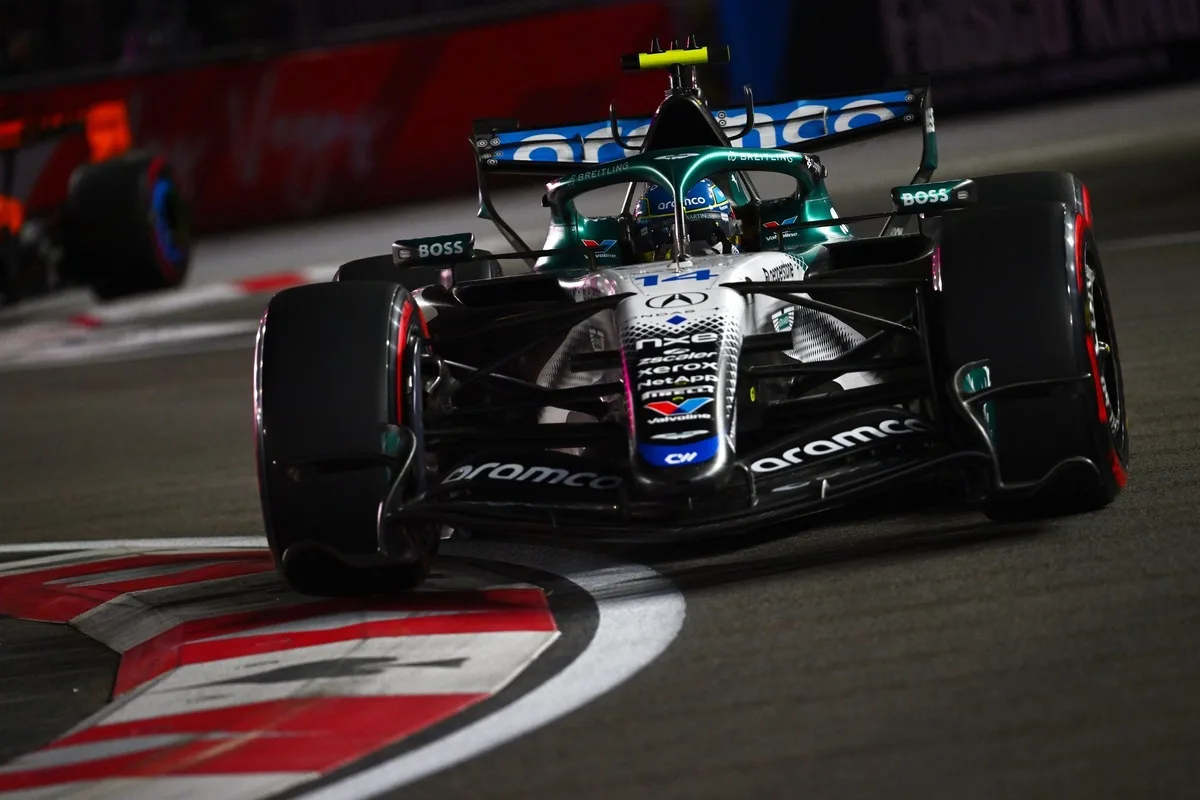
"On the engine side, we are a very long way behind and we can't be competitive with the power unit we have," Alonso admitted. "There are some circuits like Las Vegas where we are losing more than two seconds a lap on the straights alone, and the reliability is not where it needs to be. No one is happy with how things are going on the PU side of things, but we know Honda is working hard to improve the situation. Seeing the work and commitment going on behind the scenes gives me confidence for next year."
Despite the engine handicaps, Alonso expressed strong belief in Aston Martin's chassis development trajectory. Aerodynamic upgrades introduced at Budapest delivered immediate on-track correlation, enhancing mechanical grip through technical apexes. This chassis efficiency enabled Alonso to secure a ninth-place finish at Zandvoort and an eighth-place result in wet conditions at Sepang, Malaysia. With the upcoming round at Lusail in Qatar, Alonso remains convinced that the team's chassis division has established a solid foundation for future competitiveness.
Baca Juga
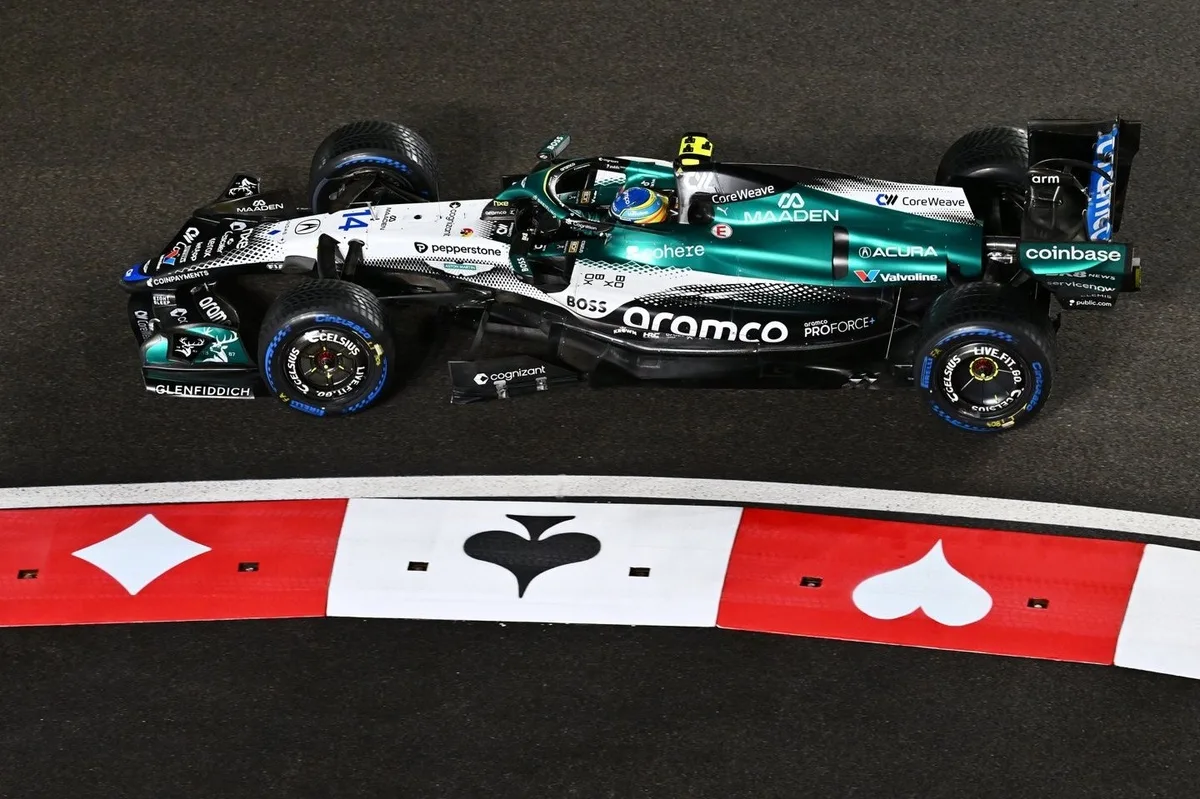
Fernando Alonso akui Aston Martin kalah telak dari rival akibat performa mesin Honda. Simak analisis data kecepatan dan prospek sasis selengkapnya di sini!
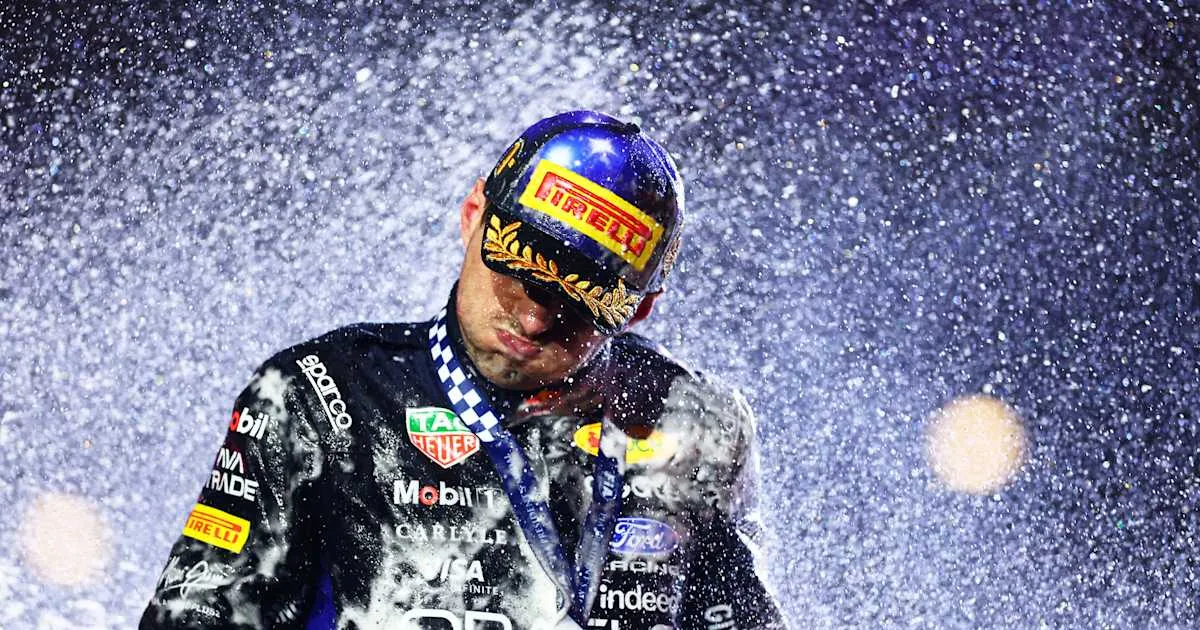
Max Verstappen akui kemenangan di Las Vegas adalah hasil perjuangan keras melawan kondisi ban. Simak analisis lengkap performa sang juara dunia di sini.
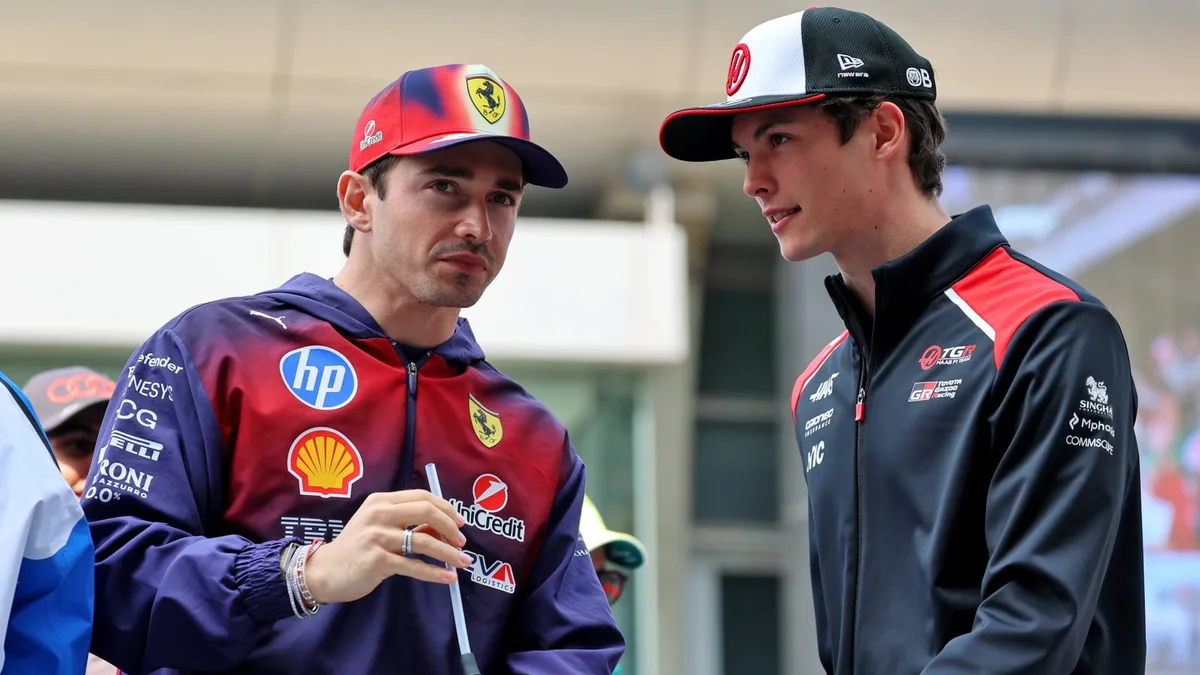
Ferrari didesak untuk mendisiplinkan Hamilton dan Leclerc pasca insiden di Las Vegas. Simak analisis mendalam mengenai manajemen pembalap di sini.
 Lanjutkan dengan Google
Diskusi & Komentar (0)
Mari Bergabung dalam Diskusi!
Masuk dengan mudah untuk mulai memberikan komentar, membalas, dan berinteraksi dengan pembaca lainnya.
Komentar Terbaru
Belum ada komentar. Jadilah yang pertama!