








Formula 1 teams have voted against a rule change that would have allowed Pirelli to lower minimum tyre pressures, addressing drivers' complaints about the 2026 cars being difficult to handle. The proposal failed to secure the required super majority, meaning high pressures will persist at least until 2027.
Throughout this season, drivers have frequently complained that Pirelli's mandated minimum tyre pressures for the 2026 cars are too high. This makes the cars harder to drive, with reduced grip and a higher risk of locking up under braking. The tyres are also harder to bring up to temperature and more delicate to manage.
Haas driver Ollie Bearman compared driving the 2026 car to using "balloons". "We have so much air in these tyres now, and it's just an absolute nightmare," he said at the Barcelona Grand Prix. "The deg is huge, a lot of overheating over a single lap. We have so much power under the right foot and so little grip with those huge balloons as tyres that we have."

The elevated tyre pressures, often 3-4psi higher than last year depending on circuit configuration, are a consequence of F1's new active aero rules. The change in downforce levels between straight and corner modes impacts the vertical load the tyres must endure. The main concern is that if active aero fails and a car remains in high-downforce mode on a straight, extreme loads could cause tyre failures if pressures are too low.
Pirelli, aware of the complaints, proposed a rule that would force a car with an active aero failure to pit and retire if the issue couldn't be fixed. This would have allowed Pirelli to reduce pressures for the second half of the season. However, the proposal required a super majority of team support, which was not forthcoming. Many teams felt the change was unnecessary or worried it would disrupt the competitive balance mid-season.
Some teams also didn't want to risk a good result being ruined by an active aero failure that could potentially be managed to still finish and score points. The failure to gain support means current high pressures will remain until the end of the year, and likely until 2027. Pirelli chief engineer Simone Berra said he was not "particularly surprised" by the rejection, noting that "the majority decided to keep the higher pressure and for us, it's fine."
Berra estimated that if the black-and-orange flag rule had been implemented, pressures could have been reduced back to last year's levels. "It can be significant," he said. "Depending on the circuit, it can be a range of 1-3psi on the front and rear axle, but it would be possible to lower more the rear axle." This decision highlights how competitive interests can override technical concerns, with implications for car performance over the next two seasons.
As reported by The-Race, this episode underscores the political hurdles in F1 regulation changes, even when drivers face clear technical issues.
Baca Juga
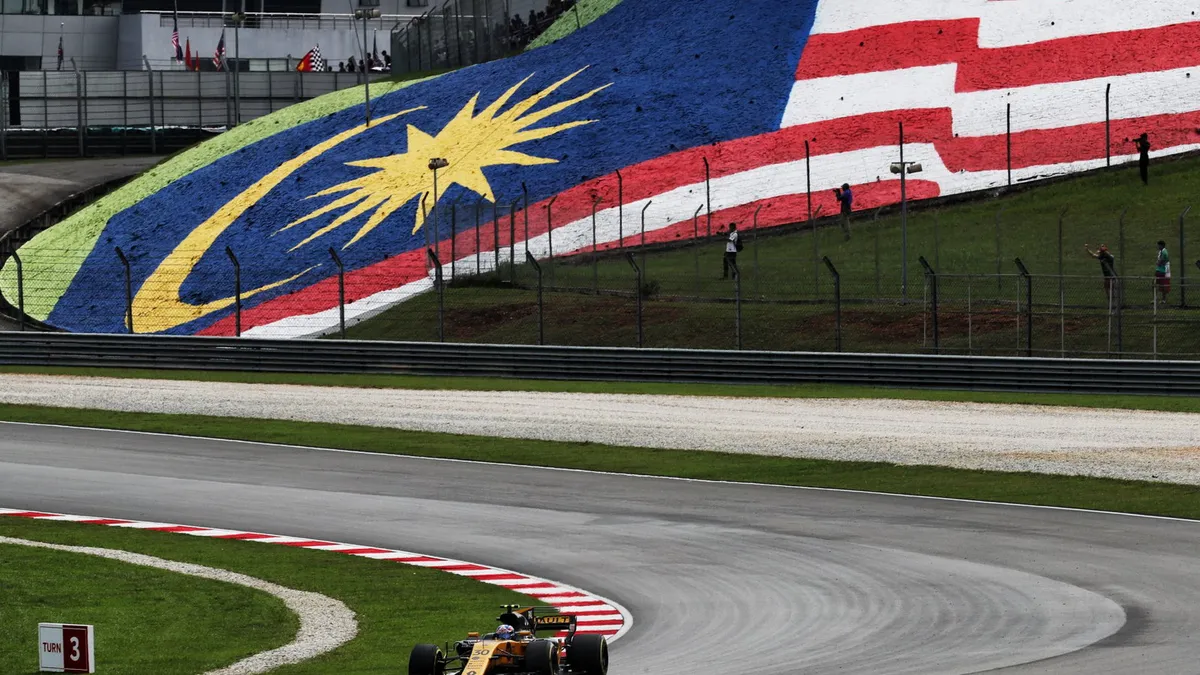
FIA konfirmasi waktu start resmi Grand Prix Bahrain 2026 di Sepang, Malaysia. Balapan digelar sore hari, mengakhiri spekulasi balapan malam. Ini dampaknya bagi tim dan pembalap.

F1 mengalami penurunan pendapatan kuartal kedua 2026 sebesar 38% dan pendapatan operasional 61% akibat kalender yang terdistorsi. Dampaknya ke tim dan strategi sprint race dibahas.
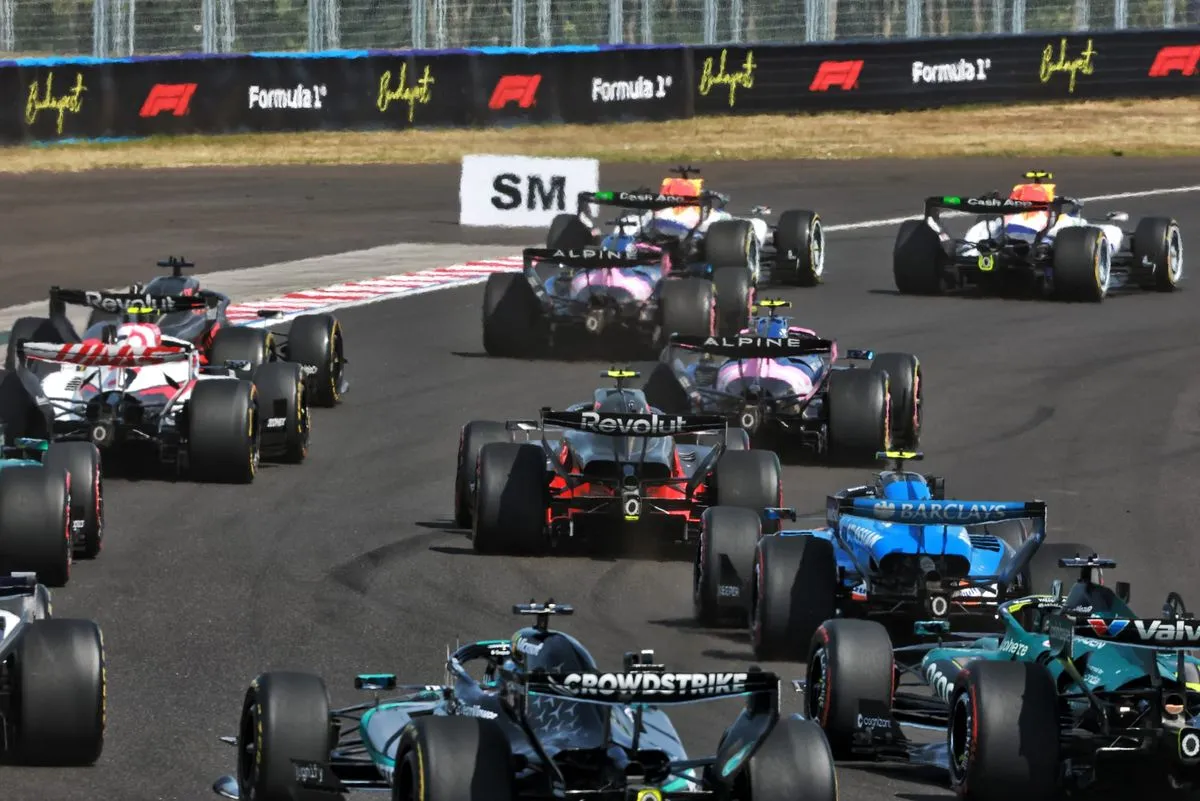
Tim F1 menolak usulan perubahan regulasi yang memungkinkan Pirelli menurunkan tekanan ban 2026. Keluhan pembalap tentang ban 'balon' akan berlanjut hingga 2027.
 Lanjutkan dengan Google
Diskusi & Komentar (0)
Mari Bergabung dalam Diskusi!
Masuk dengan mudah untuk mulai memberikan komentar, membalas, dan berinteraksi dengan pembaca lainnya.
Komentar Terbaru
Belum ada komentar. Jadilah yang pertama!