








Formula 1 has taken a significant step towards its next engine era after stakeholders reached a key agreement on the upcoming power unit regulations. The deal marks a shift in philosophy from today's complex hybrid units towards a simpler and lighter concept, focusing on weight reduction and driver engagement.
At the heart of the new rules is the return of a 3.0-litre V8 engine, albeit with a turbocharger. The decision to retain the turbo was not purely technical but also considered noise restrictions at street circuits. A naturally aspirated option was considered but would have produced noise levels exceeding limits at venues such as Melbourne, Miami, Madrid, Singapore, Baku, and Las Vegas. Therefore, a smaller turbocharger will be kept to strike a balance between a louder sound and compliance with local noise regulations.
In addition to the engine architecture change, the electrification element will be simplified. The electric motor's output will be reduced to 100kW, significantly lower than the current generation's 350kW. This aims to maintain technological relevance to the automotive industry without replicating the complexity. The FIA and engine manufacturers continue discussions to finalise technical details, but the direction is clear: the power unit will be lighter, simpler, and closer to the traditional racing engine concept.
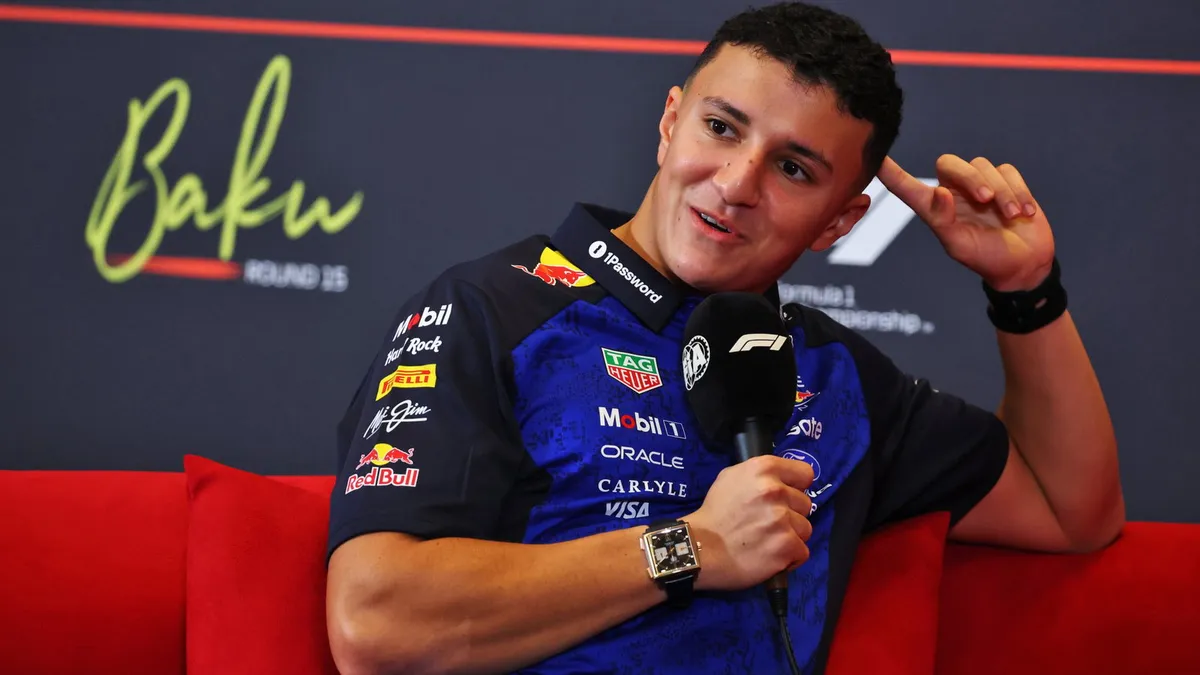
This change could also affect the competitive balance on the grid. Teams like Red Bull Racing and Mercedes, which have invested heavily in current hybrid technology, must adapt to the simpler new rules. Meanwhile, manufacturers such as Audi and Porsche, joining in 2026, might see an opportunity to be more competitive with simpler regulations.
Furthermore, a push-to-pass overtake mode is also under consideration, with a possible debut in 2030. This system would provide a temporary power boost for drivers to attack, similar to the system used in IndyCar. This could enhance on-track action and give drivers more control over race strategy.
The impact of the new regulations extends beyond on-track performance to commercial and technical aspects. Lighter engines could alter weight distribution and vehicle dynamics, while reduced complexity could cut development costs. However, challenges remain, especially in ensuring a smooth transition from the current generation.
With key points agreed, Formula 1 is set to enter a new chapter promising closer racing and more spectacular engine sounds. Final details will continue to be discussed, but one thing is certain: the era of lighter and simpler V8 turbos is on the horizon.
Baca Juga
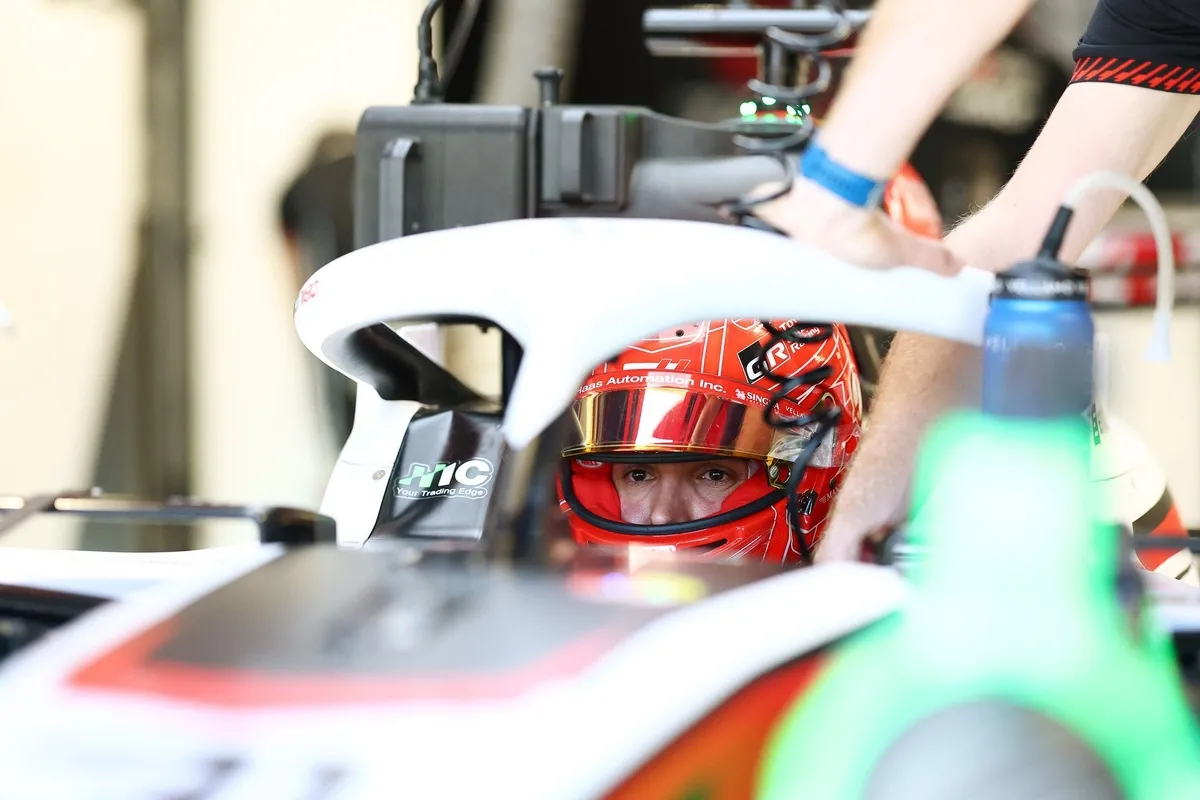
Esteban Ocon menyatakan dirinya free agent untuk F1 2027. Haas belum konfirmasi line-up, dengan Rafael Camara dan Leonardo Fornaroli masuk bursa.
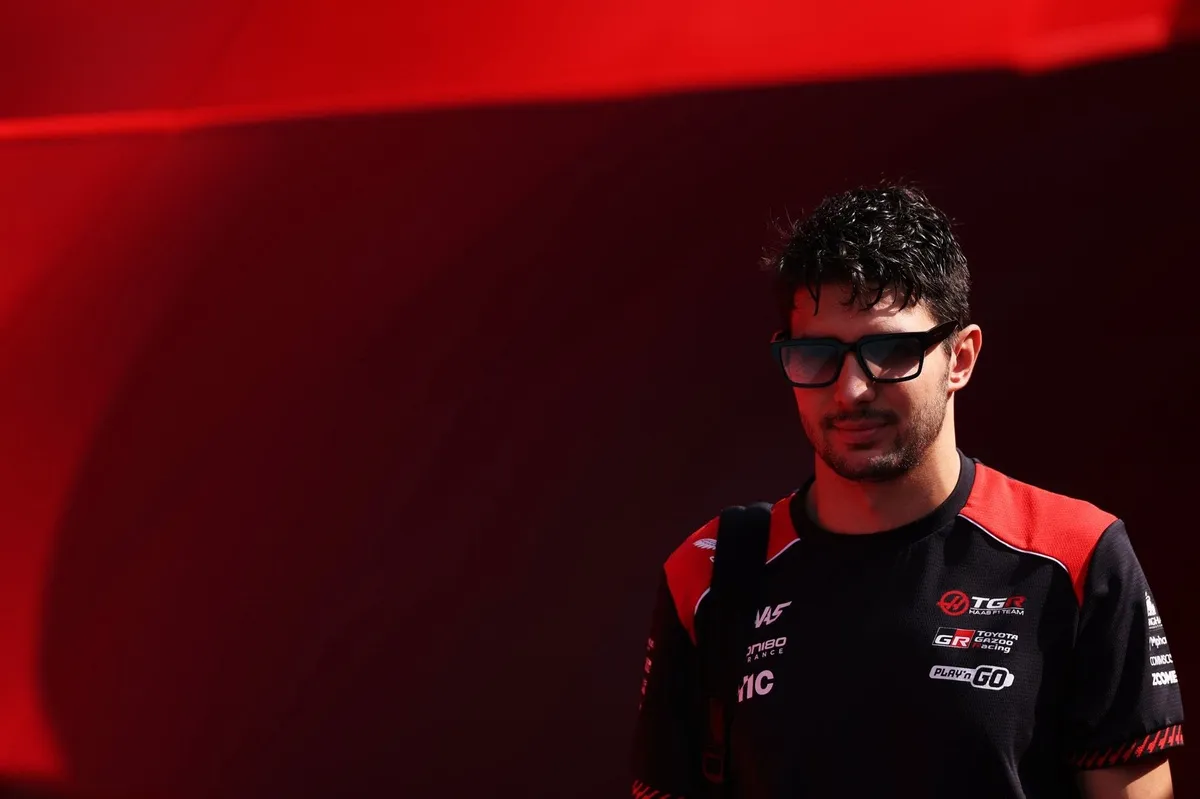
Esteban Ocon menyatakan dirinya free agent untuk F1 2027 karena Haas belum menentukan line-up. Simak peluang dan performanya musim ini.
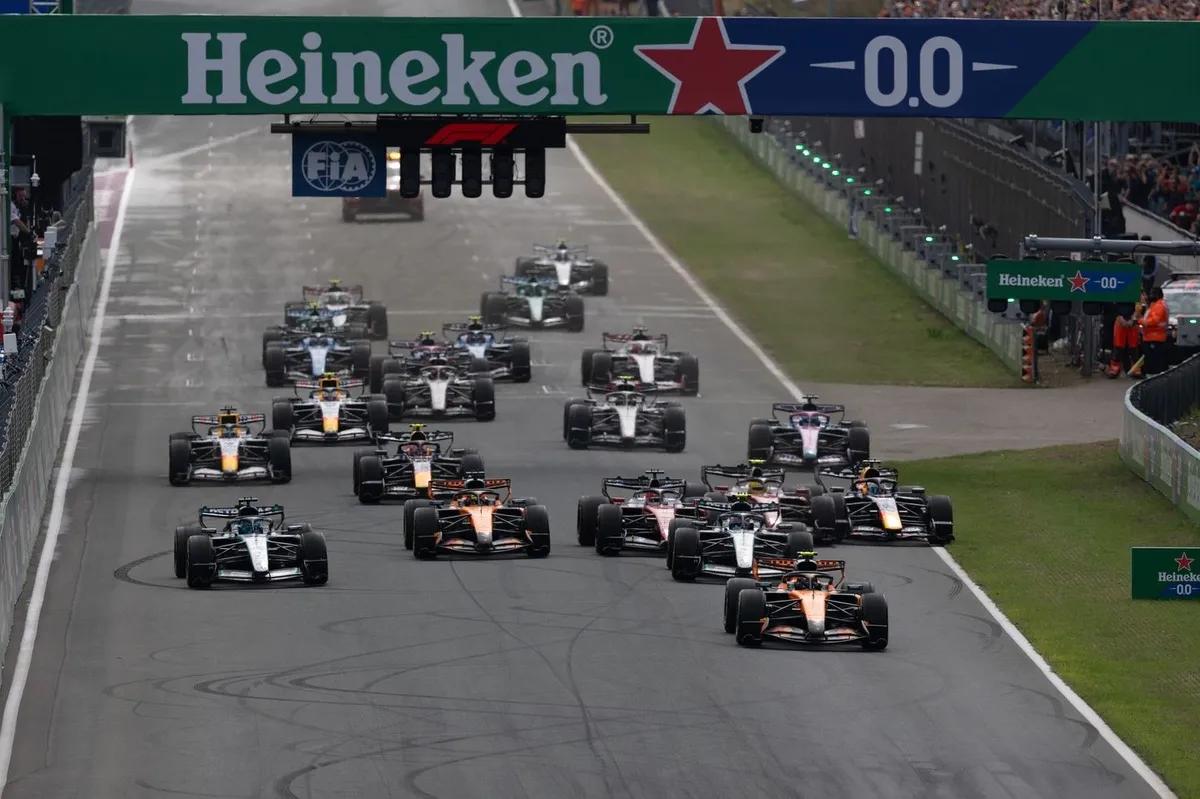
F1 resmi mengungkap rencana aturan mesin 2030: V8 turbo 3.0L, motor listrik 100kW, dan power unit 50kg lebih ringan. Simak detail lengkapnya di sini.
 Lanjutkan dengan Google
Diskusi & Komentar (0)
Mari Bergabung dalam Diskusi!
Masuk dengan mudah untuk mulai memberikan komentar, membalas, dan berinteraksi dengan pembaca lainnya.
Komentar Terbaru
Belum ada komentar. Jadilah yang pertama!