








Formula 1 is plotting a radical new direction for its power unit regulations in 2030. A report from Autosport reveals that the FIA and engine manufacturers have agreed on an initial framework to replace the complex hybrid rules introduced this season. At its core is the return of a 3.0-litre V8 engine, marking the first eight-cylinder era since 2013.
However, these engines will not replicate the naturally aspirated V8s of the past. A smaller turbocharger is expected to remain, a decision heavily influenced by noise restrictions at street circuits like Melbourne, Singapore, and Las Vegas. A naturally aspirated configuration was considered, but the greater noise was deemed problematic for those venues. The compromise is expected to produce a significantly louder engine than current F1 power units without breaching local noise limits.
Hybrid technology will also remain, but its influence will be dramatically reduced. The proposed package is expected to feature a 100kW electric motor, far below the 350kW output of the electrical component introduced under the 2026 regulations. This would maintain some connection between F1 and road-car technology while shifting a greater proportion of performance back to the internal combustion engine. Weight is another major focus, with the next-generation power unit reportedly targeted to be at least 50kg lighter than the current specification.
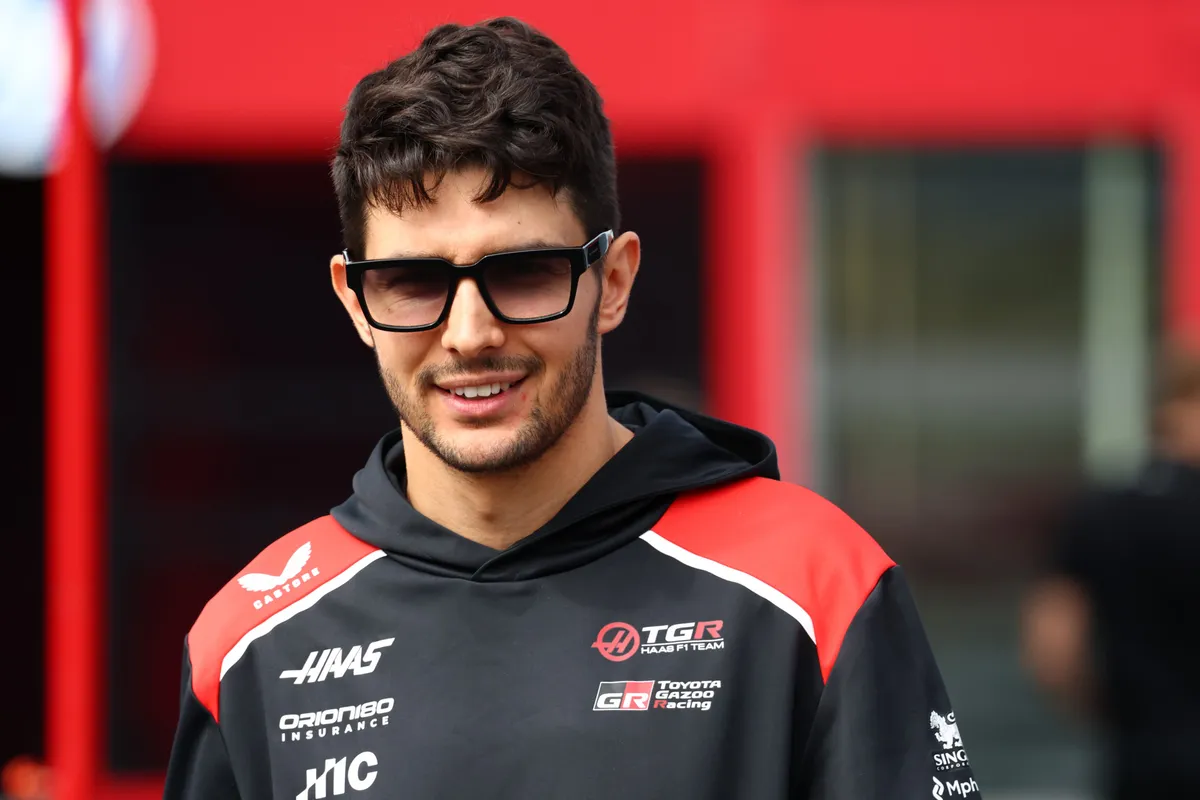
The direction closely matches what FIA President Mohammed Ben Sulayem outlined earlier this year when he publicly backed a return to simpler V8 engines with only limited electrification. "You get the sound, less complexity, lightweight," Ben Sulayem said in May. "You will hear about it very soon and it will be with a very, very minor electrification."
F1's new power unit rules only arrived at the beginning of 2026, increasing the contribution from electrical energy to create an approximate 50-50 balance with the internal combustion engine. However, harvesting and deployment issues have already prompted alterations, with further changes planned over the coming seasons to reduce the reliance on electrical energy. The next rules cycle could now arrive earlier than originally anticipated.
Ben Sulayem previously said V8 engines would return by 2031 at the latest, but 2030 has emerged as the preferred target if manufacturers and governing bodies can reach full agreement. That timing would also coincide with the final year of Max Verstappen's recently extended Red Bull contract. The world champion has reportedly voiced his support for the regulation change, though contract details remain unclear.
If realized, this V8 turbo hybrid era will mark a major turning point for F1. Fans may soon miss the sound of the V6 turbo hybrids that have defined the modern era, but the promise of a louder, lighter power unit could be a compelling draw. We'll have to wait and see if the proposal gets approved by all stakeholders.
Baca Juga
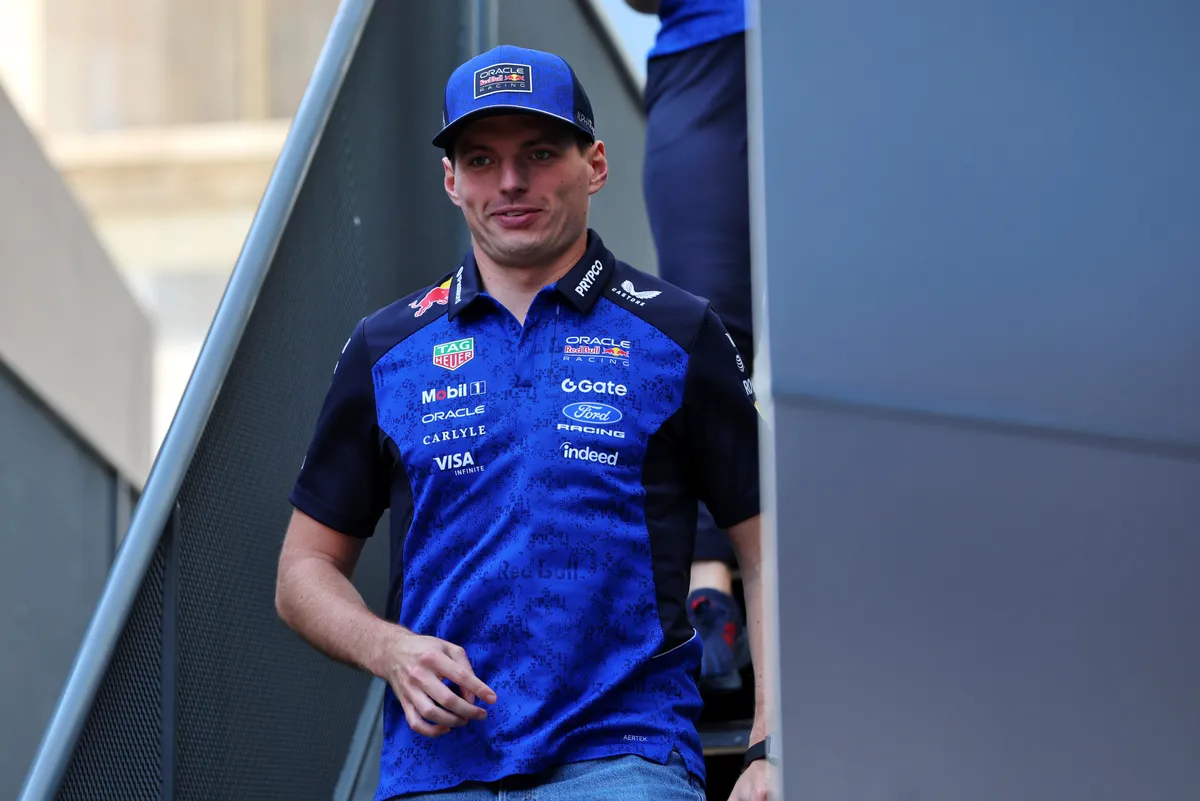
Max Verstappen memastikan tidak akan mengikuti Le Mans 2027 dan lebih memilih Nurburgring serta Spa. Simak alasan dan rencananya di sini.
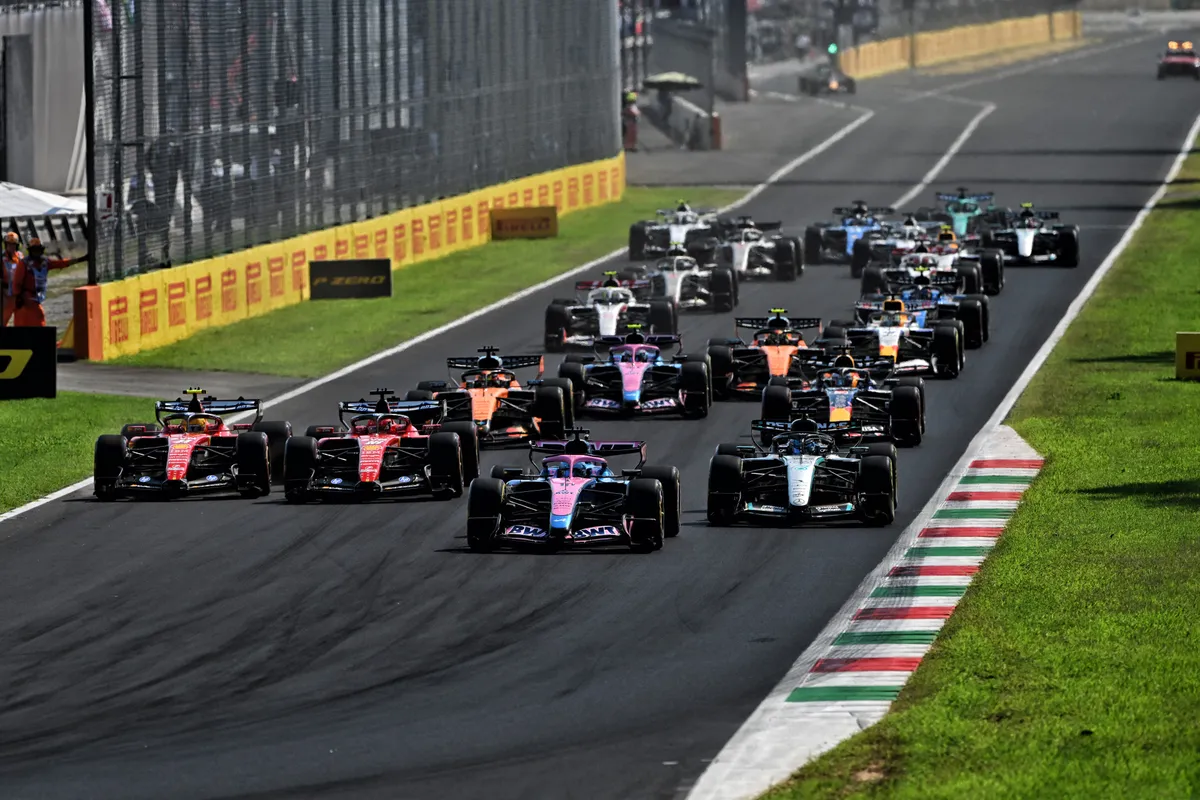
F1 dikabarkan akan kembali ke mesin V8 3.0L turbo hybrid pada 2030. Regulasi baru ini mengurangi elektrifikasi dan bobot, menghadirkan suara lebih nyaring.
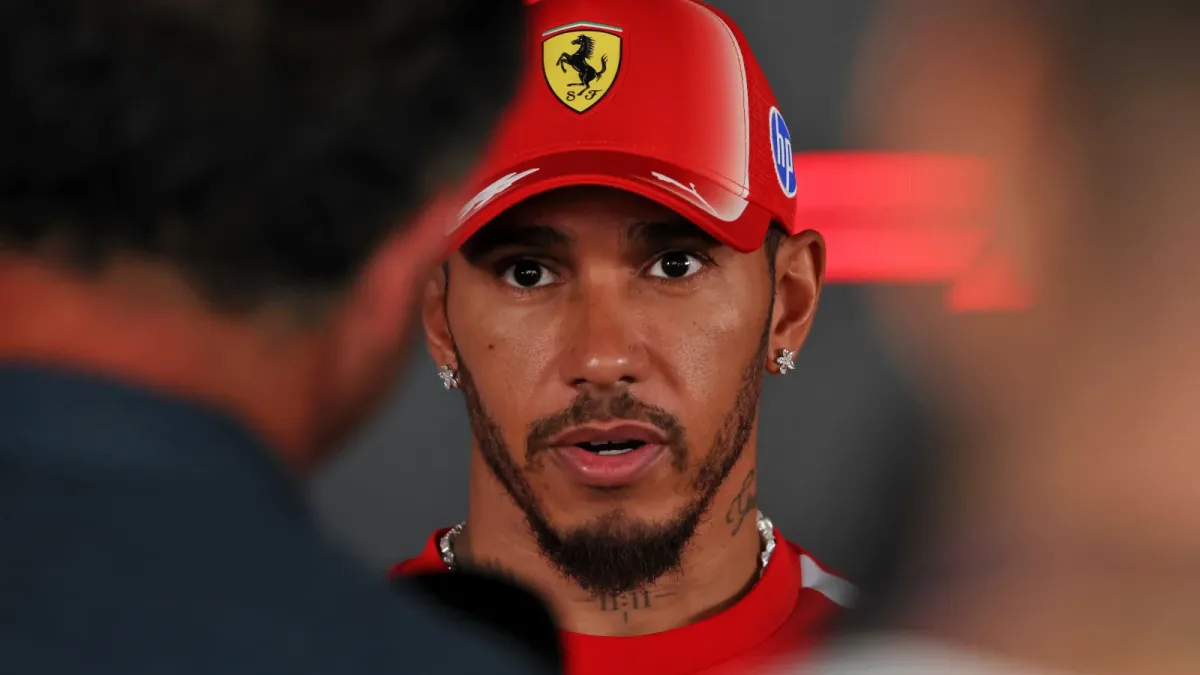
Lewis Hamilton ungkap kelemahan Ferrari di F1 2026: manajemen ban. Ia nilai tim bisa berbuat lebih baik untuk bersaing dengan Mercedes.
 Lanjutkan dengan Google
Diskusi & Komentar (0)
Mari Bergabung dalam Diskusi!
Masuk dengan mudah untuk mulai memberikan komentar, membalas, dan berinteraksi dengan pembaca lainnya.
Komentar Terbaru
Belum ada komentar. Jadilah yang pertama!