








Franco Colapinto became the center of controversy after a dramatic incident at the 2026 Azerbaijan Grand Prix. The Alpine driver lost control of his car and speared into teammate Pierre Gasly, who in turn also ended the race of Lando Norris's McLaren. The crash not only ruined the races of three drivers but also sparked a debate about the effectiveness of Formula 1's penalty points system.

Colapinto was handed a 10-second time penalty for losing control, but since he was already out of the race, the penalty could not be served. Instead, he will take a five-place grid penalty at the next race in Malaysia. This punishment has been criticized as too lenient given the impact on other drivers.
Several drivers, including Lando Norris, called for a race ban for Colapinto. However, others like George Russell felt that would be too harsh for an unintentional error. Russell, who won the race, said it was a small error with big consequences, so a race ban would be excessive.
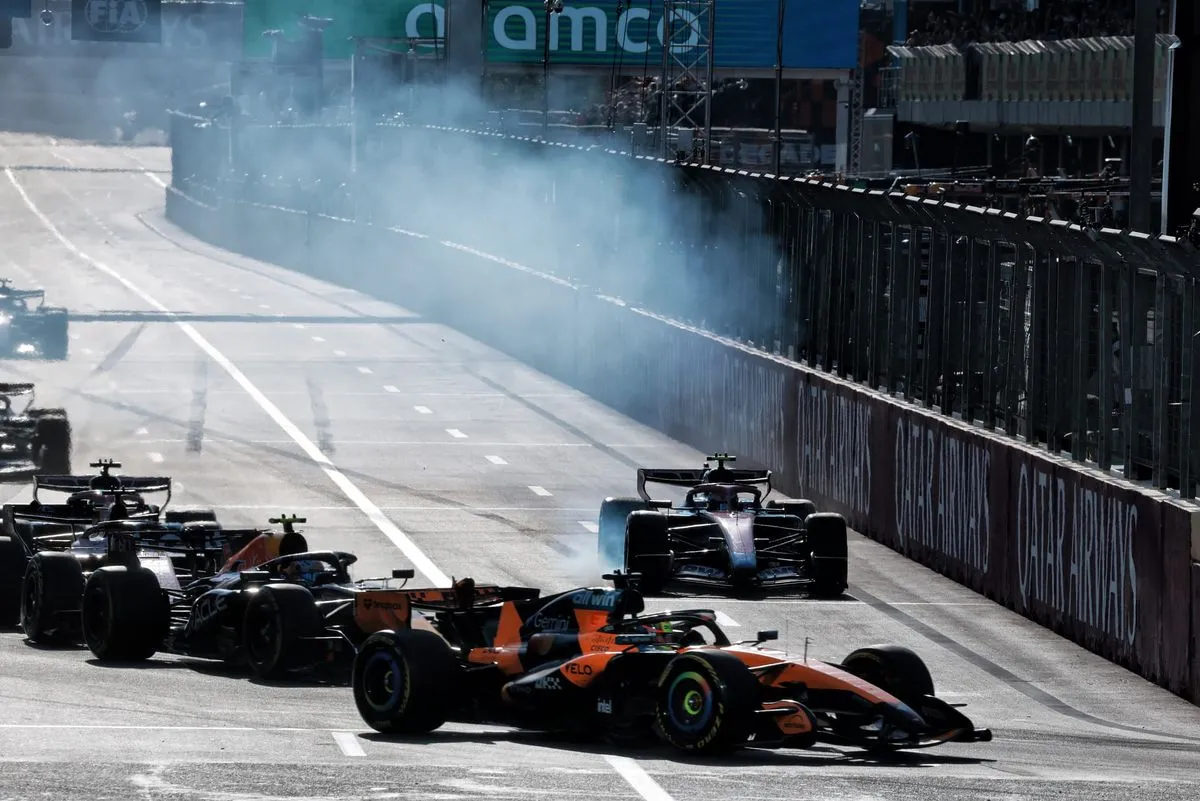
Most striking about the stewards' decision was the absence of any penalty points for Colapinto. The penalty points system was introduced to punish repeat offenders, with 12 points triggering a ban. Kevin Magnussen became the first driver to reach the 12-point threshold, receiving a ban for the 2024 Azerbaijan GP. Others like Ollie Bearman, Max Verstappen, and Pierre Gasly have come close to that threshold at times.
However, 15 rounds into the 2026 season, not a single penalty point has been awarded to a driver for causing a collision. Points have only been given for yellow-flag or safety-car breaches. This raises the question: has the bar for awarding penalty points been set too high? If Colapinto made a similar mistake in Malaysia, would he simply get another grid penalty without any penalty points?
The lack of penalty points in this incident sets a precedent that a driver can lock up and take out two cars without facing a bigger penalty than a grid drop. The penalty points system seems to have lost its purpose. Stewards have a range of penalties available, including race bans, but if they are reluctant to use penalty points, why does the system exist?
Alternatively, stewards could be given more discretion to impose immediate penalties for major incidents without relying on the points system. But that would place more emphasis on who the stewards are at each race, potentially leading to inconsistency. The penalty points system at least provided a clear framework, even if its application is now in question.
The Colapinto incident highlights a significant blind spot in F1's penalty points system. Without improvements, whether through clearer guidelines or greater steward consistency, the system risks losing credibility among drivers and fans alike.
Baca Juga

Christian Horner blak-blakan soal kepergiannya dari Red Bull. Ia sebut tim telah kehilangan 'vibe' dan identitas sejak ditinggalkan. Simak pernyataan lengkapnya.
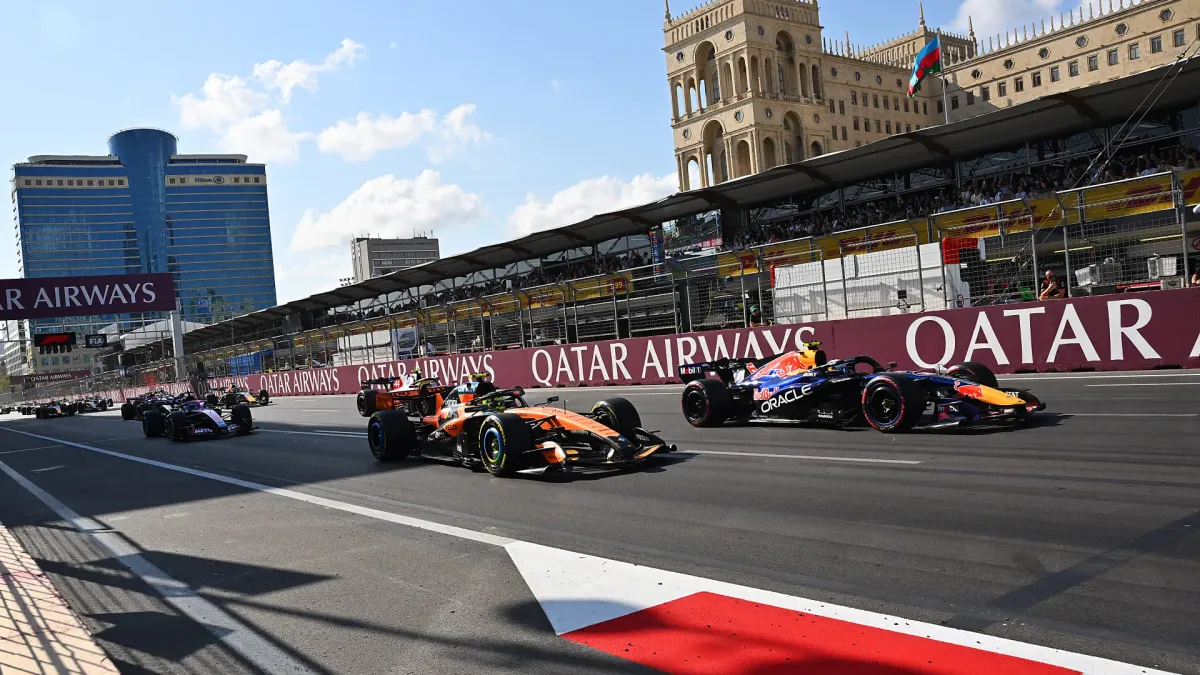
Klasemen F1 2026: Kimi Antonelli memimpin dengan 302 poin, disusul George Russell dan Lewis Hamilton. Simak update lengkapnya di sini.
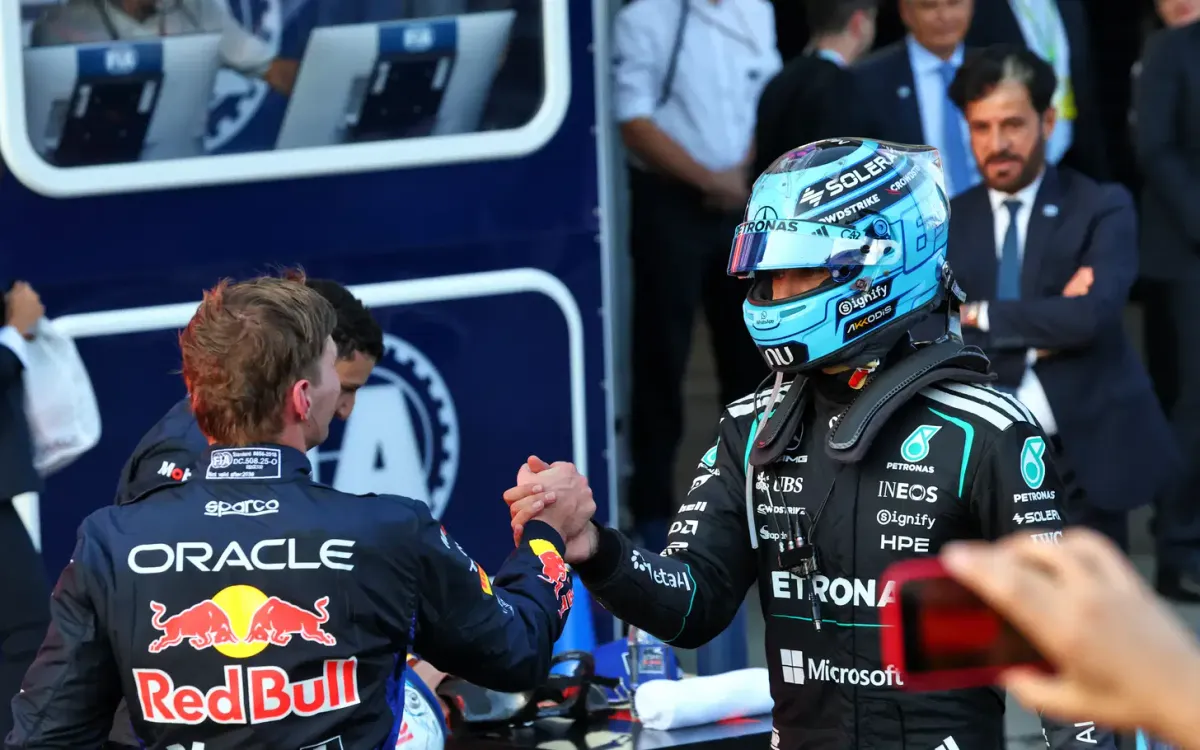
Max Verstappen gagalkan Super Grand Chelem George Russell di F1 Azerbaijan 2026. Russell dominan tapi kalah tipis di FP3, sementara Hamilton satu-satunya yang pernah melakukannya.
 Lanjutkan dengan Google
Diskusi & Komentar (0)
Mari Bergabung dalam Diskusi!
Masuk dengan mudah untuk mulai memberikan komentar, membalas, dan berinteraksi dengan pembaca lainnya.
Komentar Terbaru
Belum ada komentar. Jadilah yang pertama!