








The spectacle of the Las Vegas Grand Prix may not have silenced critics regarding artificial elements in current Formula 1 rules, but it highlighted a key characteristic that even outspoken critic Max Verstappen believes should carry forward into future car designs.
Despite executing a masterclass to secure a memorable triumph in Las Vegas, Verstappen was hardly impressed by a race he famously likened to playing Mario Kart. Yet, beneath the surface, the factors that contributed to a staggering 352 overtaking maneuvers are elements he suggests the sport should ponder for its long-term vision.
The dynamic of the Las Vegas race—where leaders struggled to break away and a train of cars compressed behind them—was heavily driven by an exceptionally powerful slipstream effect. Even when a chasing car fell outside the critical one-second window to trigger overtake modes, they could still recover lost ground down the main straight simply by catching a massive aerodynamic tow.
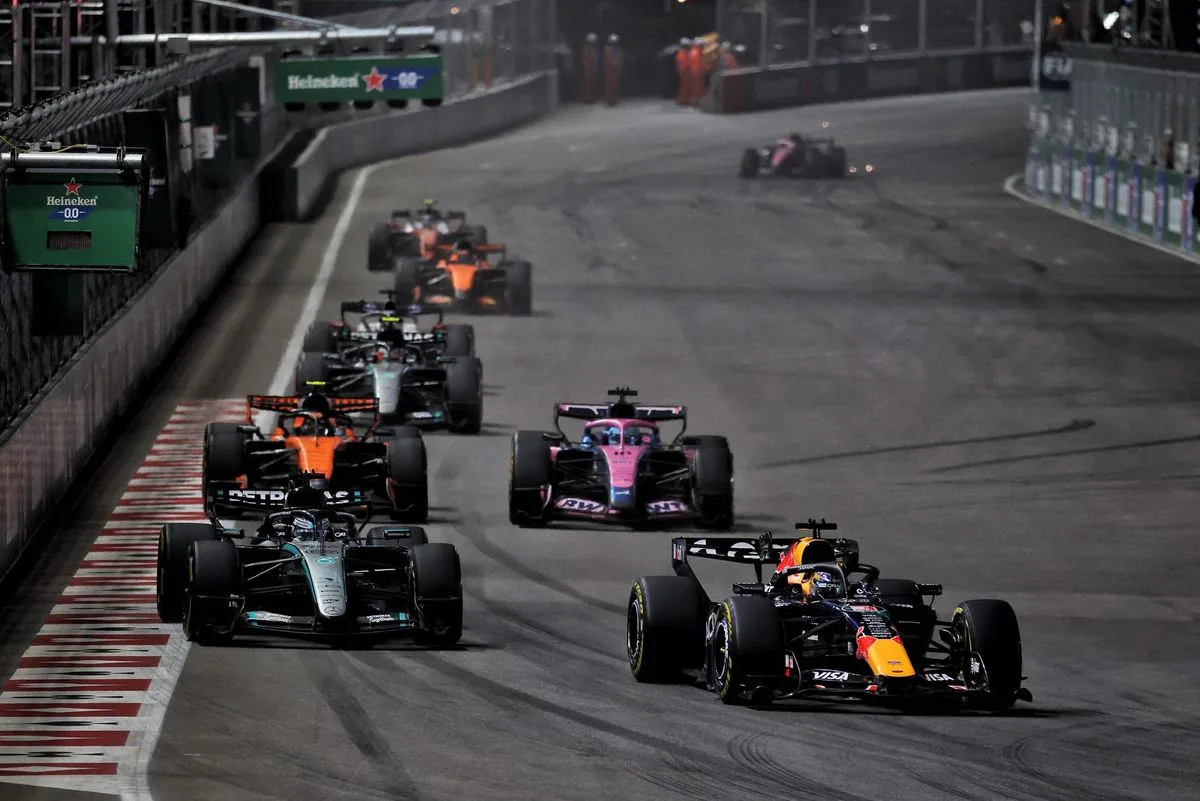
Racing Bulls driver Arvid Lindblad explained, "It actually worked well for racing. You did half the lap with 500 horsepower, but with the drag of an F1 car. So it is like putting an F3 engine in an F1 chassis. You want as big a tow as you can find because it is super draggy, but you have no power."
Alpine's Pierre Gasly echoed those sentiments, noting that drivers had to master energy management and smart positioning to capitalize on the tow. He pointed out that leaders punching a hole in the air faced immense drag penalties, making it practically impossible to escape the chasing pack.
Ultimately, Verstappen believes this super-powerful tow phenomenon should form the cornerstone of future car concepts to improve wheel-to-wheel racing and reduce reliance on traditional overtaking aids like DRS.
Baca Juga
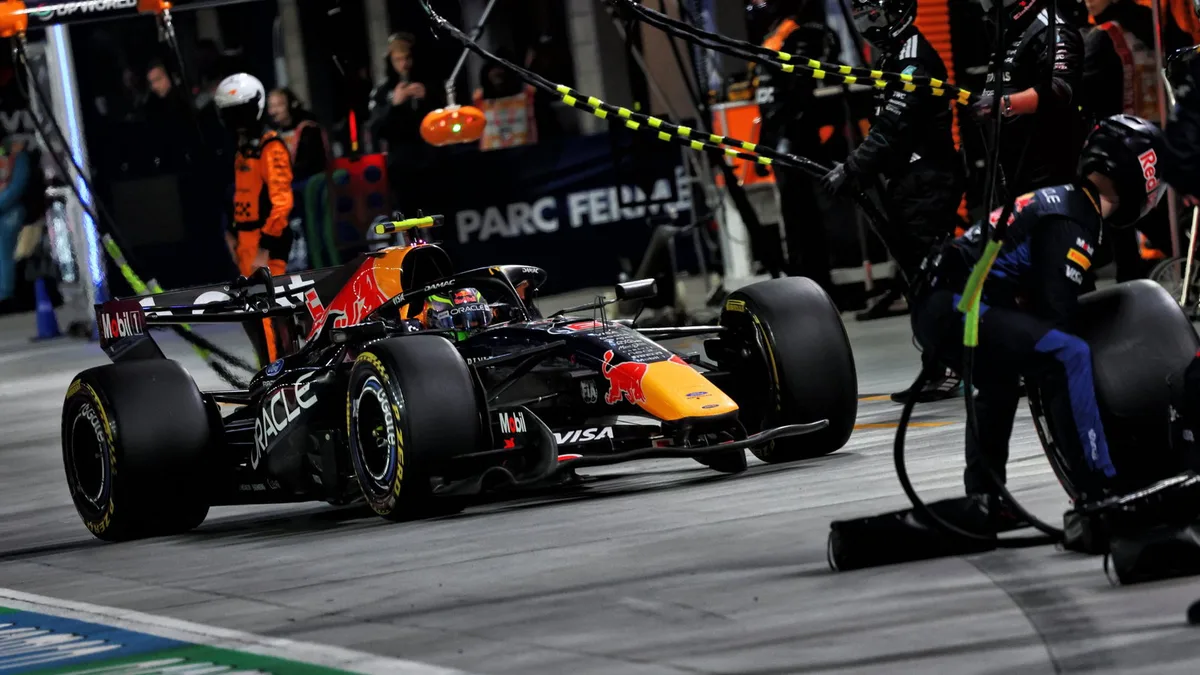
Red Bull perkuat desain sayap depan F1 usai kegagalan teknis di Las Vegas. Baca analisis mendalam dan update terbaru di sini.
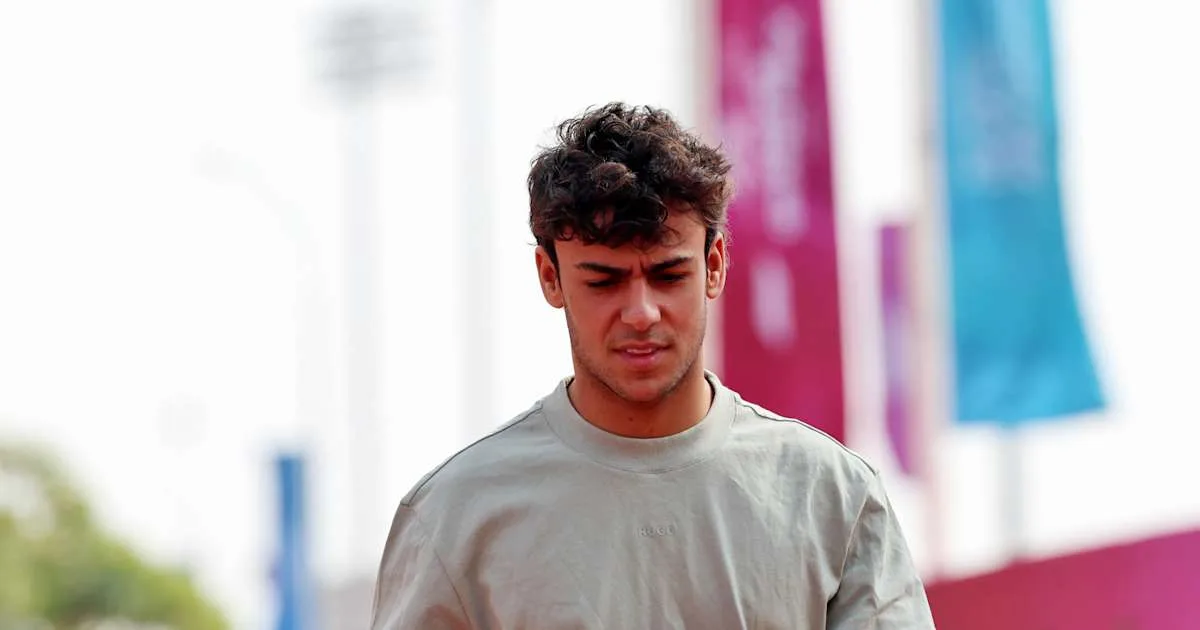
Arvid Lindblad nyaris menangis usai blunder fatal di Las Vegas. Simak kisah emosional pembalap muda ini di sini!
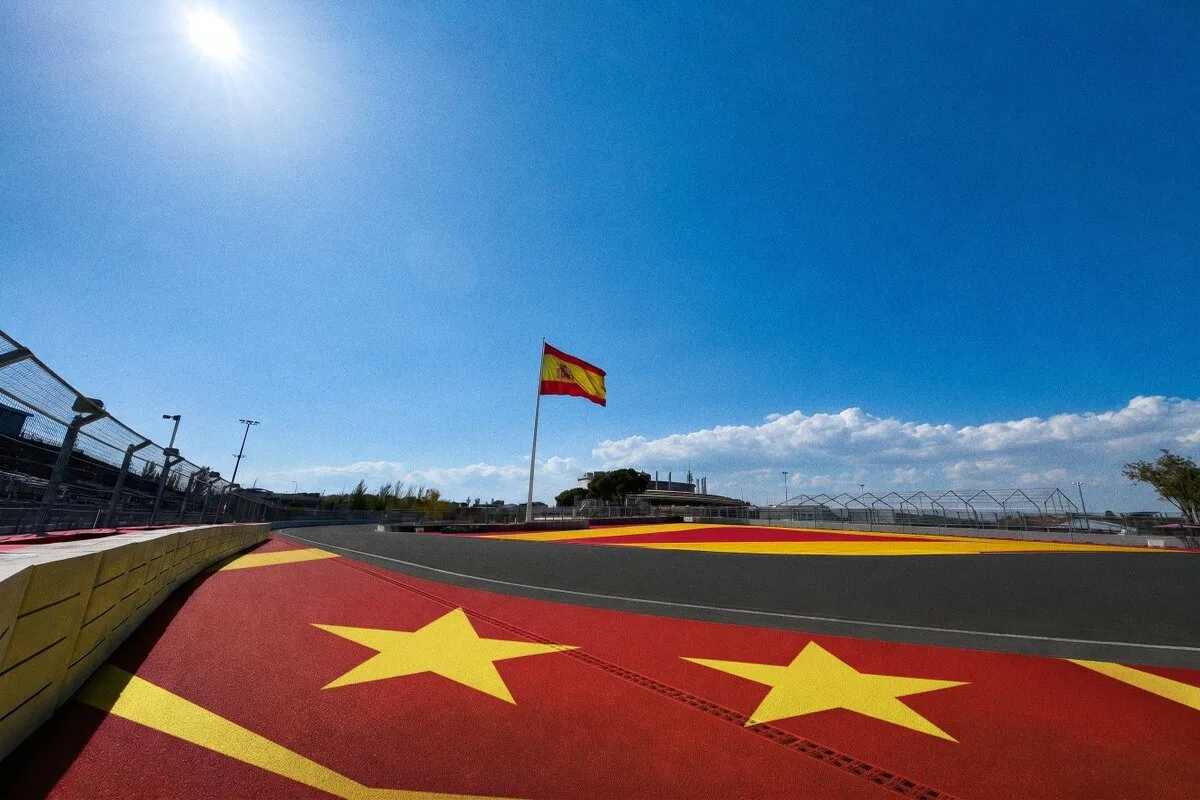
Sirkuit Madring abadikan sejarah sepak bola Spanyol di Tikungan 2. Baca analisis mendalam dan berita terbaru seputar Formula 1 di sini!
 Lanjutkan dengan Google
Diskusi & Komentar (0)
Mari Bergabung dalam Diskusi!
Masuk dengan mudah untuk mulai memberikan komentar, membalas, dan berinteraksi dengan pembaca lainnya.
Komentar Terbaru
Belum ada komentar. Jadilah yang pertama!