







Formula 1 is bracing for a massive political and technical shift as key details emerge regarding the sport's upcoming engine framework. According to internal agreements within the Formula 1 paddock, power unit manufacturers will be restricted to supplying a maximum of just two teams starting from the 2030 season.
This major strategic development follows a significant announcement during the Las Vegas Grand Prix weekend, where motorsport authorities confirmed unanimous backing to fast-track the next generation of power unit regulations to 2030. The upcoming rules feature a transition to 2.1-litre V8 engines equipped with turbochargers, a maximum of 200 kilowatts of electric power, and 100 percent sustainable fuels.
Beyond the headline figures aimed at reducing complexity and costs—a shared vision pursued by FIA president Mohammed Ben Sulayem and F1 chief Stefano Domenicali—the confidential framework document stipulates that each of the six 2030 manufacturers must supply only two teams, including their own works outfit.
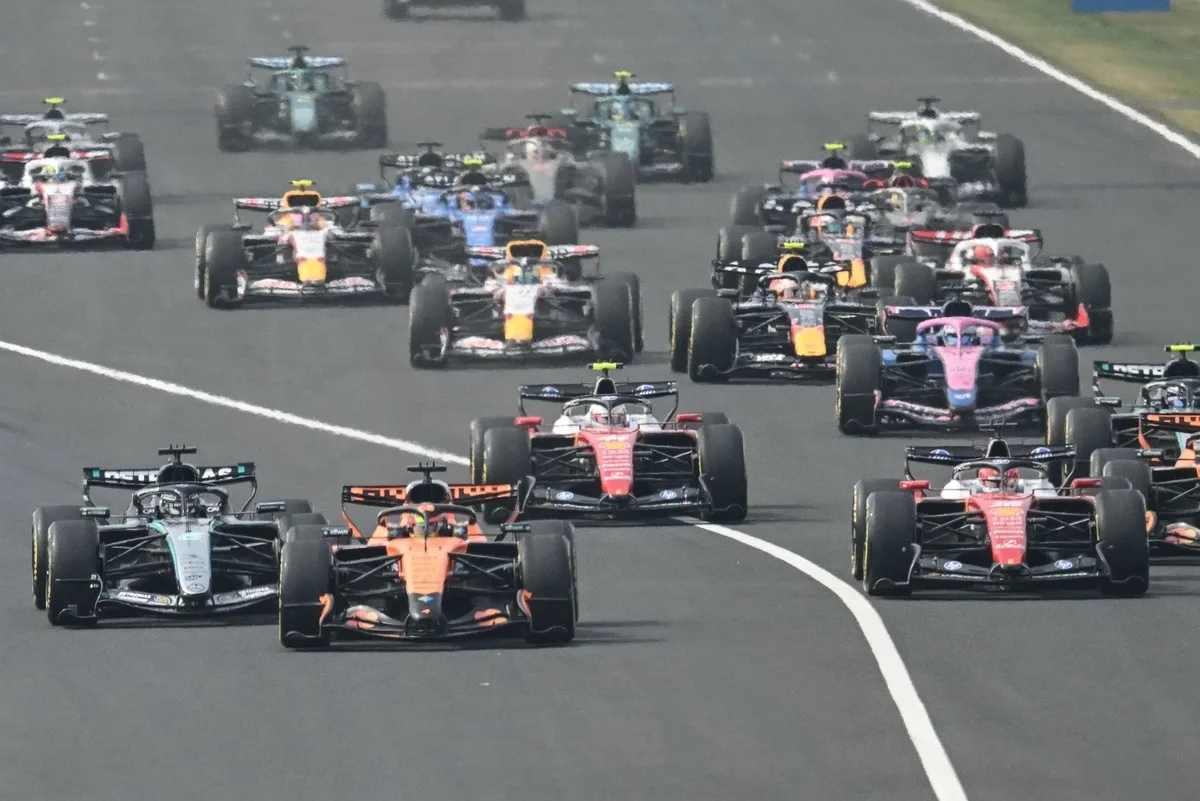
The policy aims to curb the political influence held by major suppliers dominating a large share of the grid, while also alleviating the financial strain of supplying power units under an 18 million dollar per season cap. While Ferrari and Red Bull face straightforward transitions with their respective customer lineups, the restriction leaves a massive question mark over the future of Mercedes and its extensive customer base.
Currently, the Brixworth operation powers its works team alongside McLaren, Williams, and Alpine. With two of those three independent squads needing to secure new power unit partnerships ahead of the World Motor Sport Council's upcoming vote in Shanghai, months of intense political intrigue are guaranteed across the pit lane.

Baca Juga
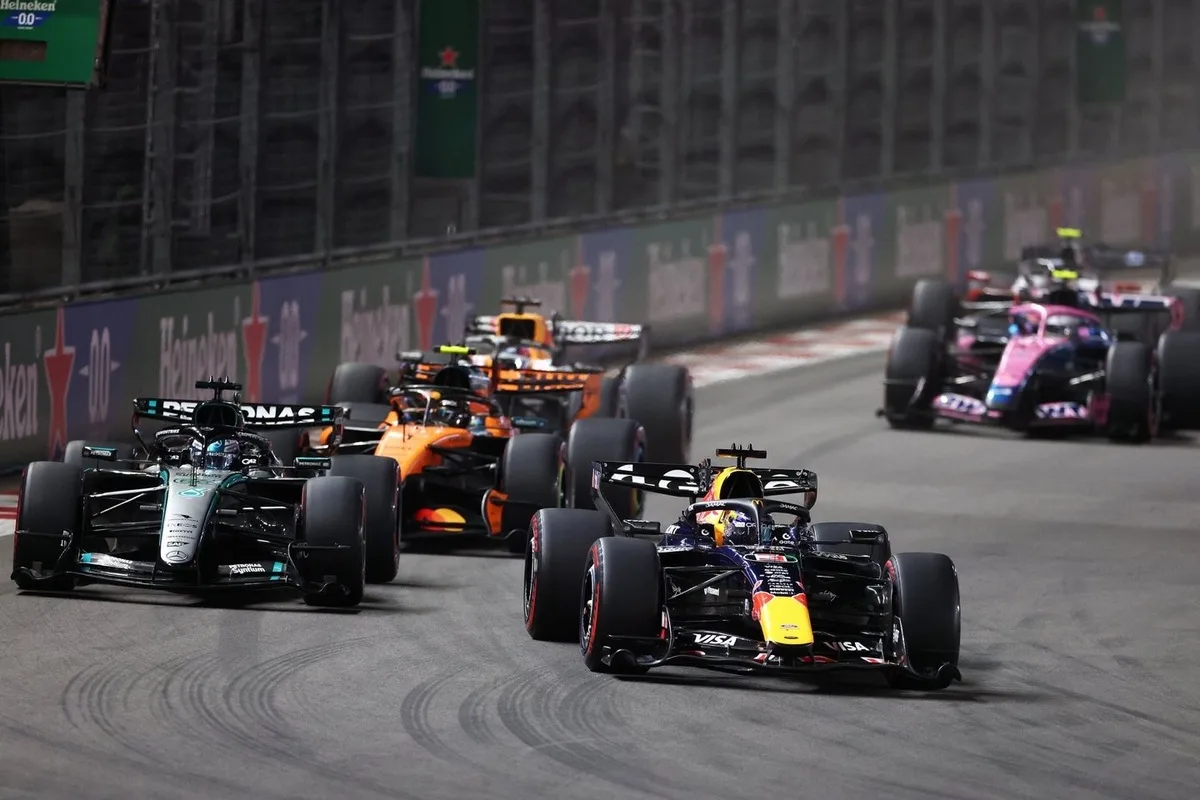
Simak analisis mendalam regulasi mesin F1 2030 yang membatasi pasokan tim pelanggan dan memicu intrik politik paddock. Baca selengkapnya di sini!

Rafael Camara dipastikan lanjut bersama Haas hingga akhir musim F1 2026. Simak analisis mengenai dampak kepergiannya dari perebutan gelar juara F2 di sini.
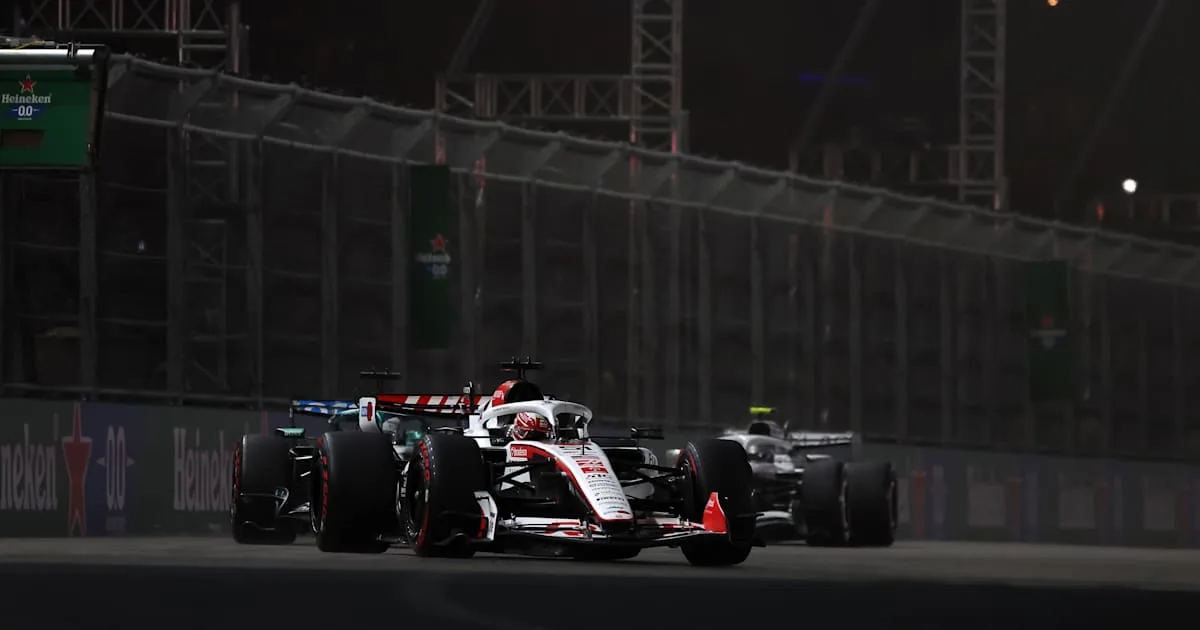
Rafael Camara resmi absen dari perebutan gelar F2 untuk fokus pada sisa musim F1 bersama Haas. Simak analisis dampak klasemen konstruktor selengkapnya di sini.
 Lanjutkan dengan Google
Diskusi & Komentar (0)
Mari Bergabung dalam Diskusi!
Masuk dengan mudah untuk mulai memberikan komentar, membalas, dan berinteraksi dengan pembaca lainnya.
Komentar Terbaru
Belum ada komentar. Jadilah yang pertama!