








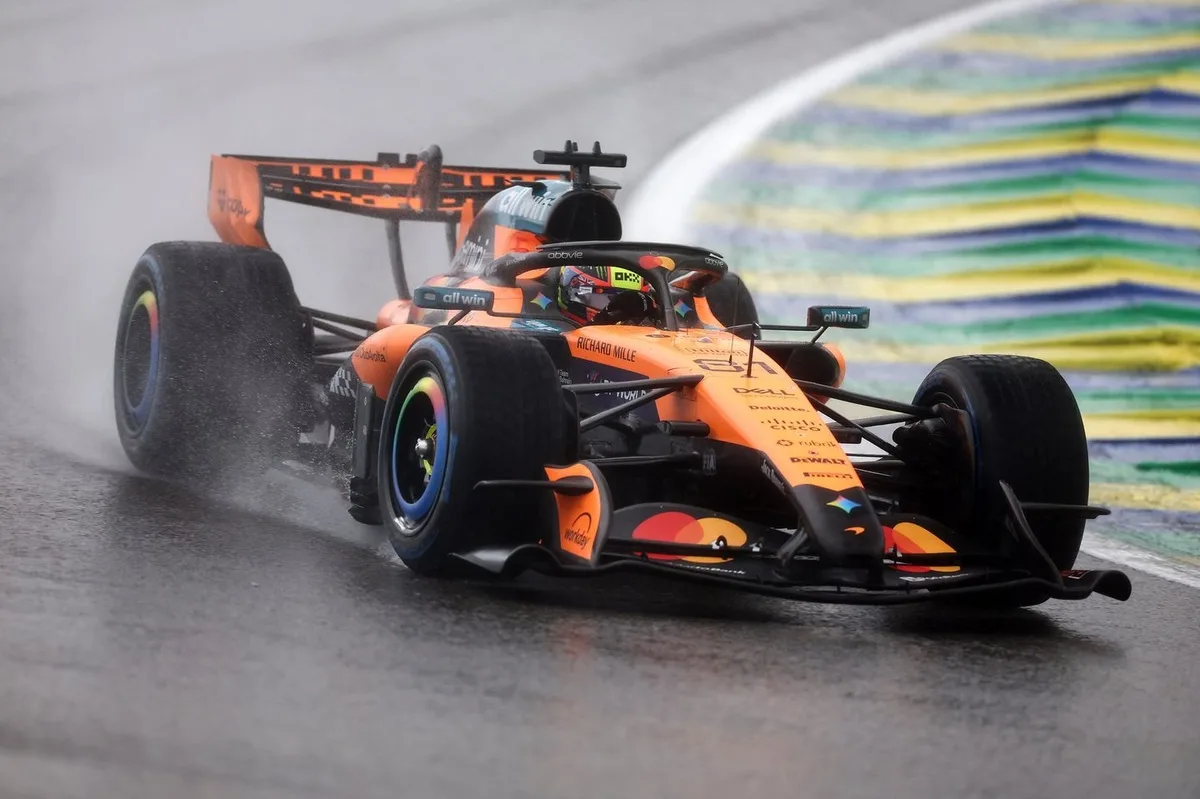
Mixed weather conditions on race day, following a rain-affected qualifying session at the Autodromo Jose Carlos Pace Interlagos, provided the very first opportunity to confront longstanding fears about how the current generation of Formula 1 cars would handle wet tracks. The question of a wet race had vexed stakeholders since the start of the season, prompting considerable debate leading up to the Brazilian Grand Prix weekend where rain was an absolute certainty.
Although earlier events like the race at the Sepang International Circuit saw rain followed by a rapidly drying track, Brazil presented an entirely different challenge. Qualifying was red-flagged for 80 minutes after a torrential downpour, prompting notable remarks from George Russell regarding safety thresholds in heavy spray. Nevertheless, the paddock consensus later confirmed that race control handled the delicate situation with accurate timing.
Ferrari team management echoed the sentiment, praising the decision-making process during the intense weather shifts. The core technical puzzle this year involves Pirelli's wet-weather compound range, with intermediates often struggling to build adequate operating temperature under narrow wheel regulations, while extreme wets are sidelined as tracks dry too quickly.

Navigating these treacherous conditions required exceptional car control, precise setup adjustments, and clever strategic calls from pit walls. As teams analyze the telemetry from Interlagos, the data gathered will prove invaluable for improving wet-weather visibility and mechanical grip ahead of the final rounds of the championship.

Baca Juga
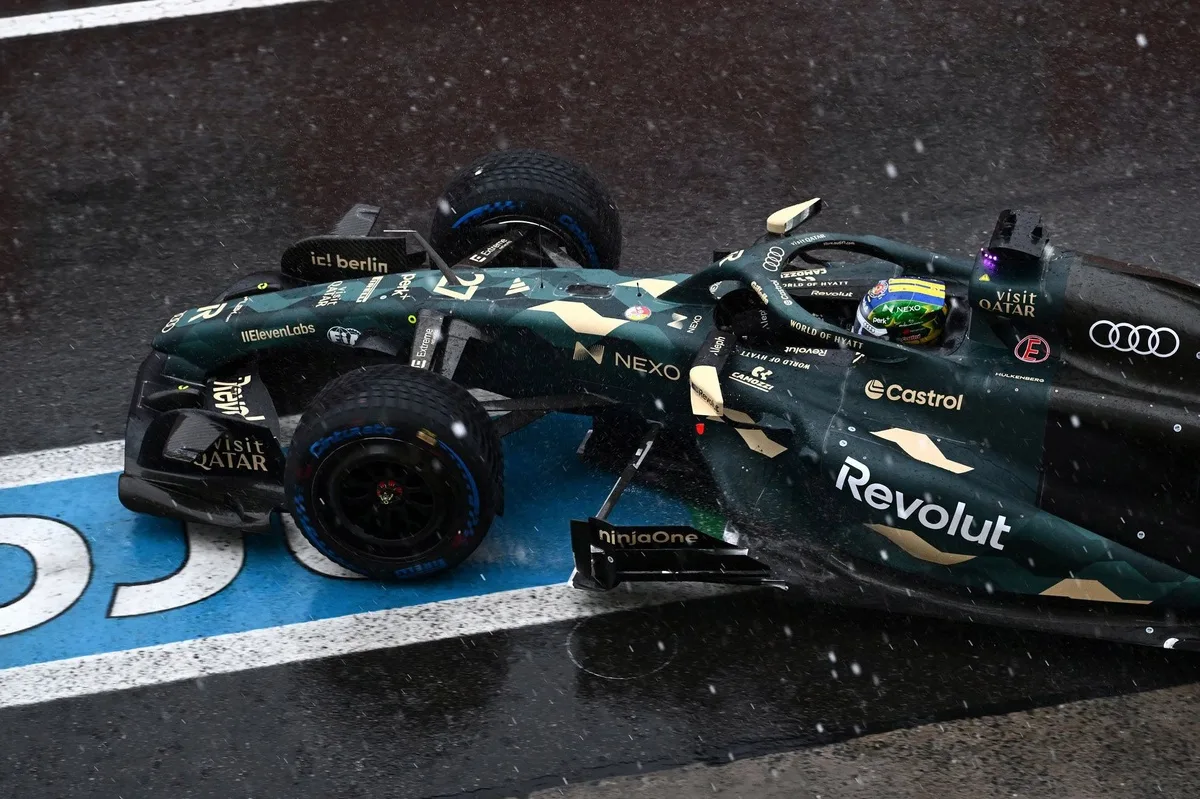
Audi kecam penalti kontroversial Nico Hulkenberg di GP Brasil 2026 akibat insiden dengan Franco Colapinto. Baca analisis mendalam di sini.
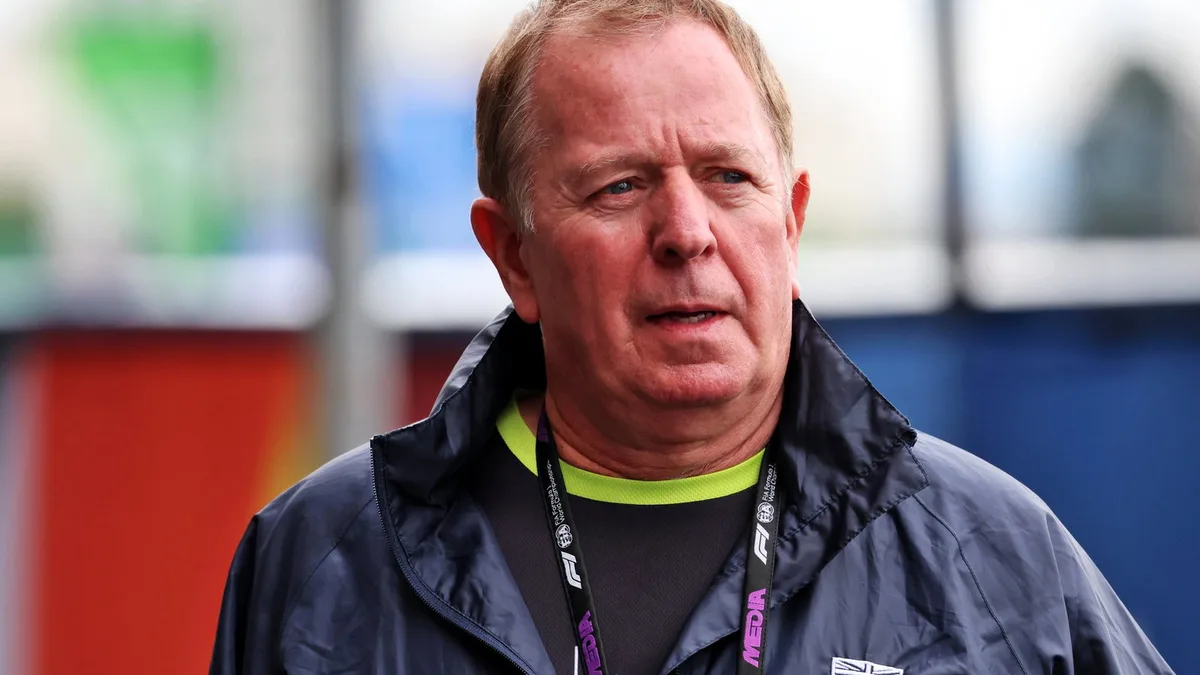
Lawrence Stroll dikabarkan frustrasi atas krisis reliabilitas Aston Martin di F1. Simak analisis lengkap dan ulasan paddock di sini.
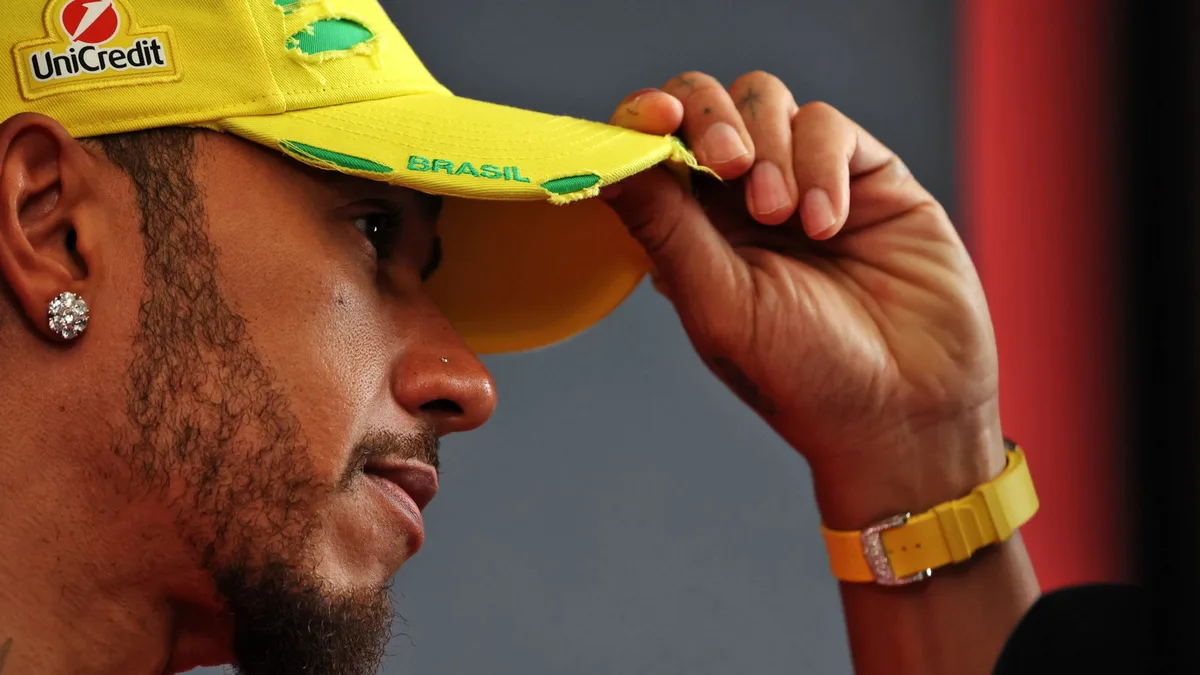
Simak analisis Damon Hill mengenai kebangkitan mental Lewis Hamilton di Ferrari setelah sempat hancur akibat tragedi Abu Dhabi. Baca selengkapnya di sini!
 Lanjutkan dengan Google
Diskusi & Komentar (0)
Mari Bergabung dalam Diskusi!
Masuk dengan mudah untuk mulai memberikan komentar, membalas, dan berinteraksi dengan pembaca lainnya.
Komentar Terbaru
Belum ada komentar. Jadilah yang pertama!