







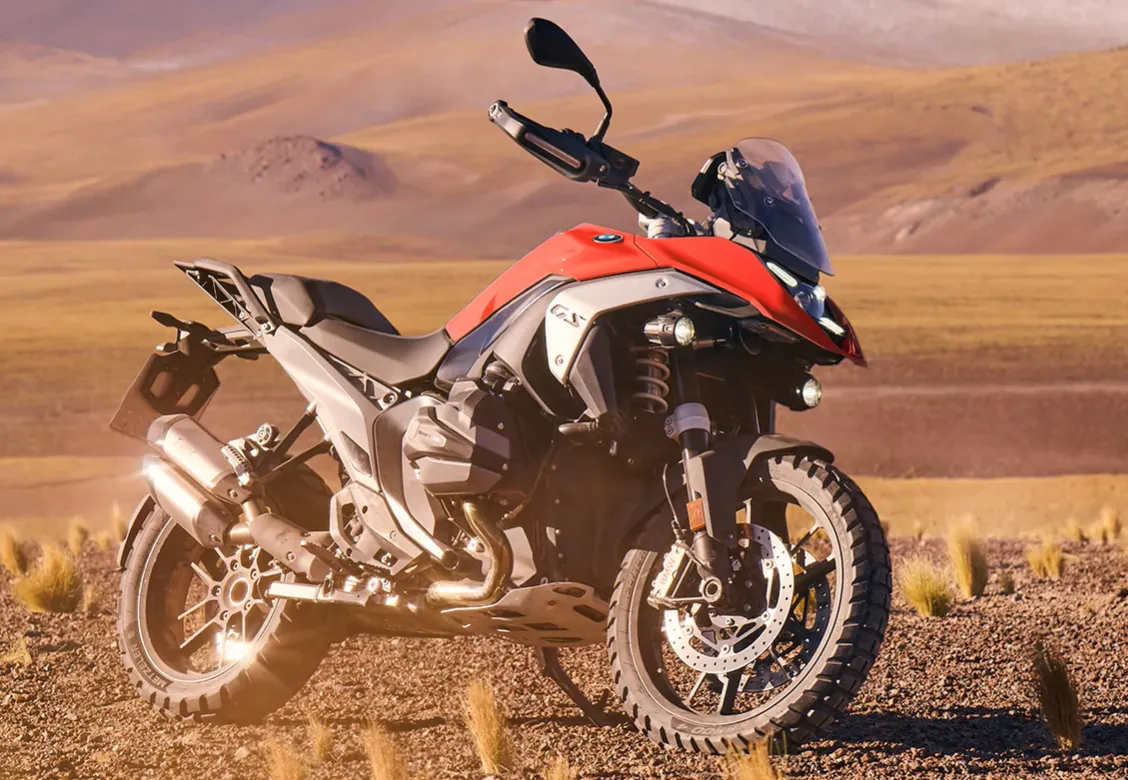

Imagine a suspension system that eliminates weight transfer under braking, offering near-perfect stability on the road. That's what BMW Motorrad offers with Telelever. Yet, why do other manufacturers stick to the upside-down fork? We delve into the secrets behind the German firm's patented suspension.
The motorcycle's chassis is the foundation that keeps the wheels glued to the ground and provides enviable agility in corners. The suspension system is the heart of it all, balancing weight distribution when opening the throttle or braking hard before the apex. Compression and extension of the springs also alter steering geometry and trail, making precise setup crucial for riding style.
On a conventional upside-down fork, the fork tubes suffer from longitudinal flex due to braking torque, increasing internal friction and hindering the spring's ability to absorb road imperfections. Seeking a solution, BMW Motorrad introduced a revolutionary design in 1993 that separates wheel alignment from damping and deceleration force absorption. This concept still stands a dynamic step above the competition in stability, neutrality, and consistency.
The Engineering Behind the Oscillating Trapezoid
Like a telescopic fork, Telelever uses two tubes with sliding and fixed sections to align the wheel. Connected via a rotating ball joint, an oscillating trapezoid links directly to the frame as a rigid structural element. All damping is handled by a single spring-damper unit mounted vertically between the trapezoid and the frame.
When the front brakes are applied, the reactive force from the calipers does not bend the fork tubes longitudinally but is transmitted through the ball joint to the lower swingarm. The rider doesn't feel the kinetic forces of braking because the trapezoid redirects them to the motorcycle's center of mass, mechanically counteracting weight transfer.
Torsional Rigidity vs. Unsprung Mass
Meanwhile, the upside-down fork has become the dominant choice for other manufacturers. Its ability to maximize torsional rigidity by increasing tube diameter attached to the triple clamp is key to its success. However, no matter how sophisticated anti-friction coatings or pressurized closed cartridges from Kayaba, Showa, or Marzocchi are, the telescopic fork remains a sliding tube system more vulnerable to binding under severe longitudinal loads.
So why hasn't the competition adopted Telelever? The answer may lie in manufacturing complexity, production costs, and market preference. Nevertheless, BMW continues to develop this system, proving that true innovation is sometimes not followed but remains the benchmark.
Baca Juga
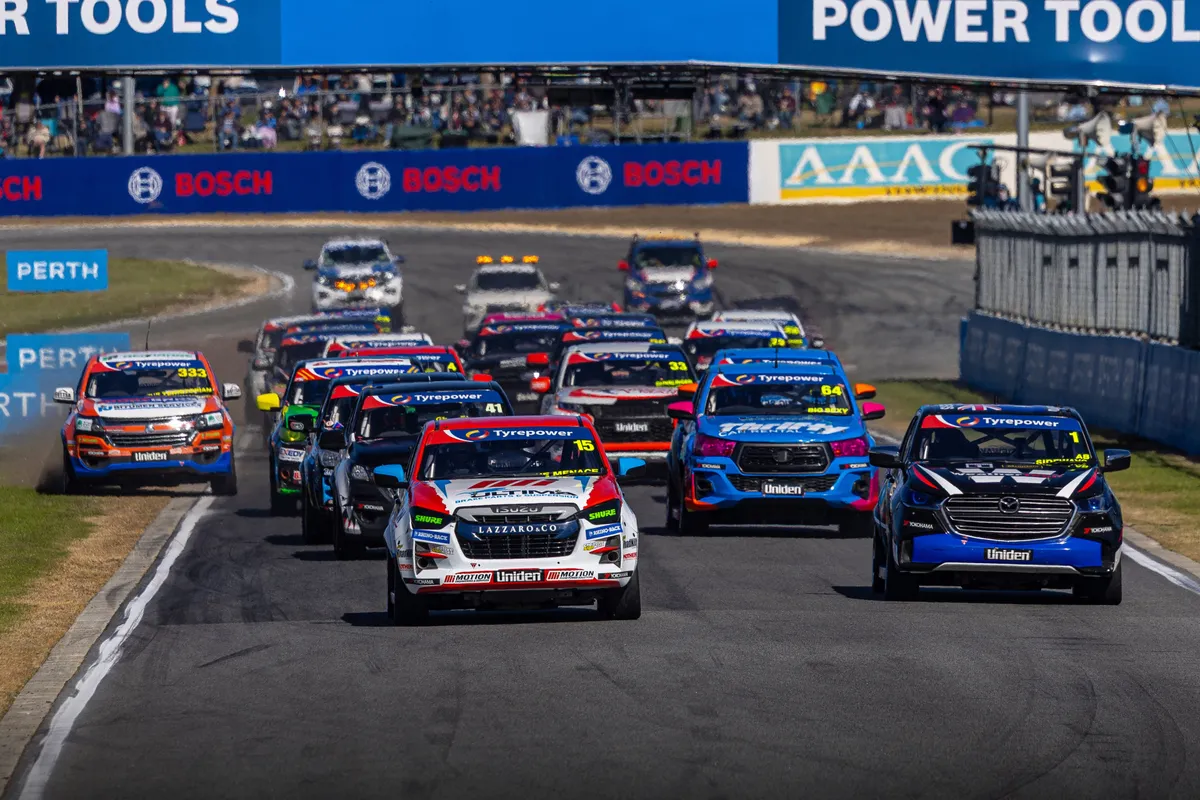
Braydan Willmington, putra Garry Willmington, akan debut di V8 SuperUtes Bathurst 1000 2025. Simak juga kembalinya Matt Nolan dan absennya Michael Sherwell.
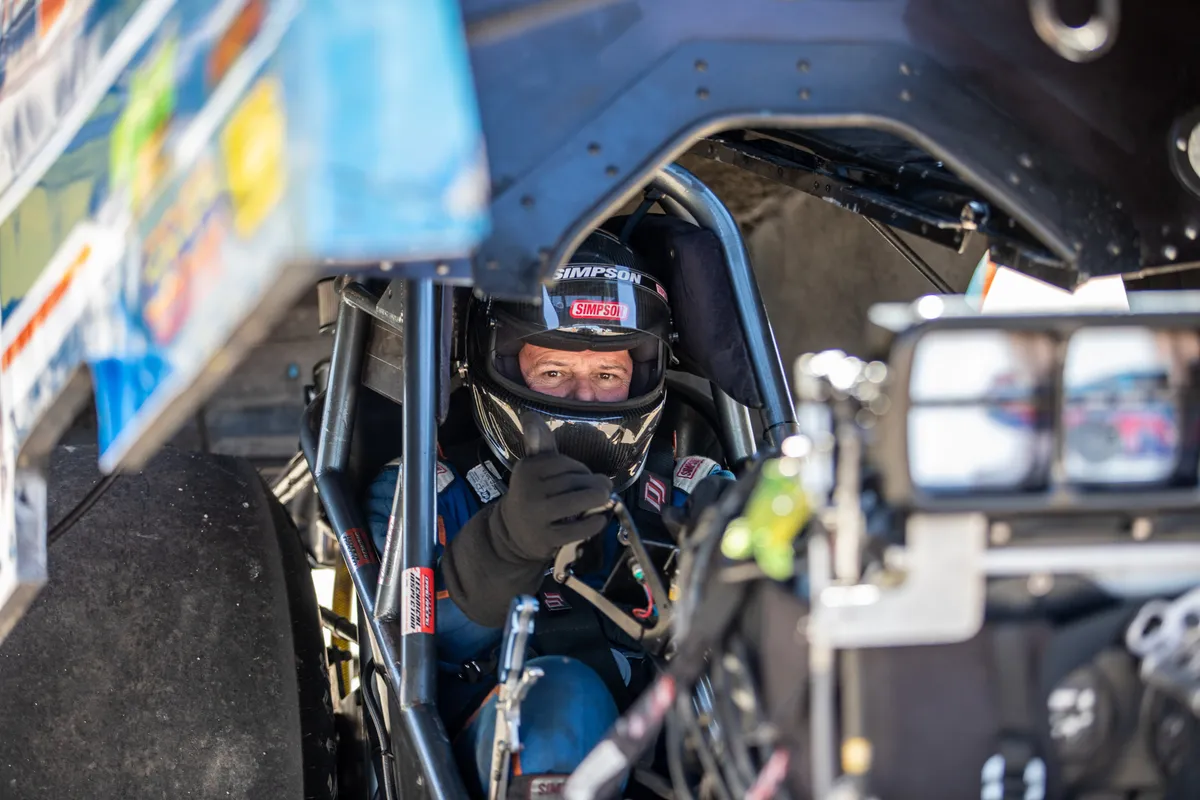
Jadwal lengkap event ANDRA Oktober 2026: Dragway at The Bend, Steel City Drags 60th Anniversary, SPRY Spring Nationals, dan Drag Challenge. Simak selengkapnya!
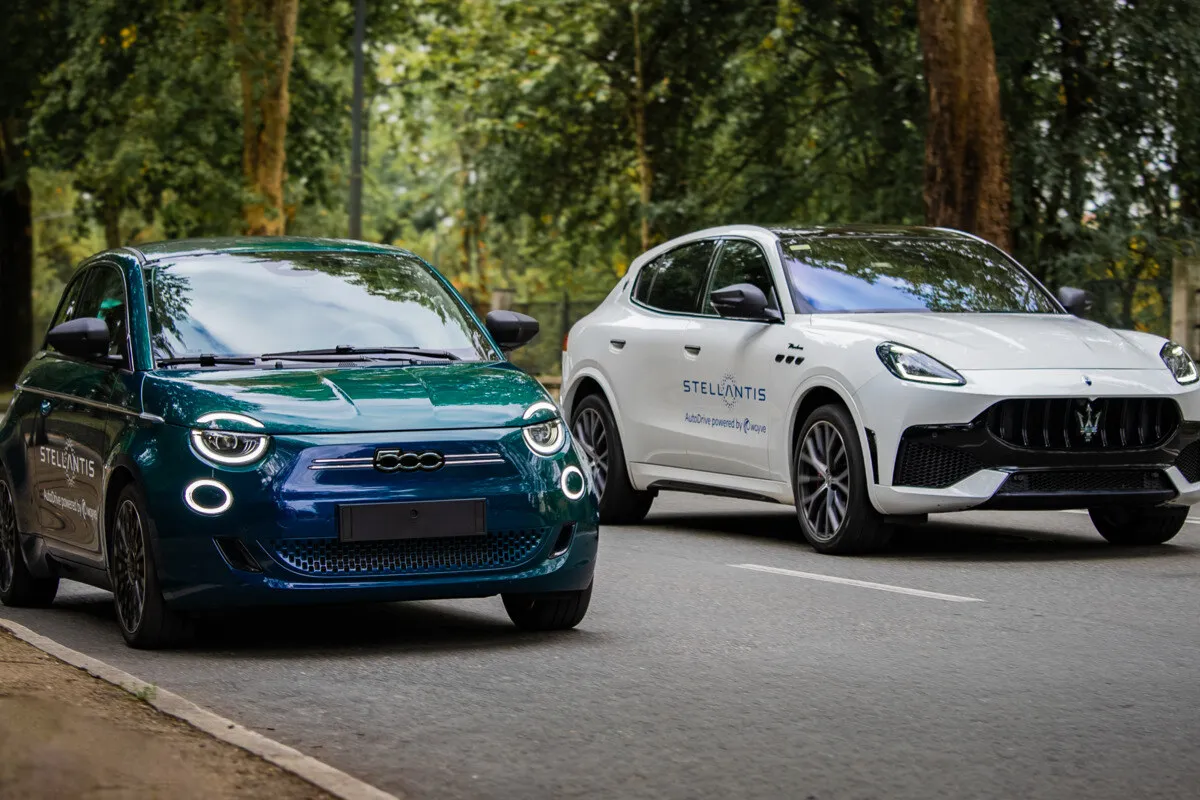
Stellantis dan Wayve akan mendemonstrasikan teknologi AI STLA AutoDrive pada Fiat 500e dan Maserati Grecale di Wave by Vento 2026, Turin. Produk pertama dijadwalkan 2028.
 Lanjutkan dengan Google
Diskusi & Komentar (0)
Mari Bergabung dalam Diskusi!
Masuk dengan mudah untuk mulai memberikan komentar, membalas, dan berinteraksi dengan pembaca lainnya.
Komentar Terbaru
Belum ada komentar. Jadilah yang pertama!