








German manufacturer BMW has officially unveiled the technical specifications for its highly anticipated electric M3, set to make its full public debut this January. The vehicle features a sophisticated quad-motor powertrain, utilizing two motors per axle, each paired with a single-speed transmission to ensure precise and instantaneous torque delivery to all four corners.
Central to this performance is a Gen6 battery pack with 100 kWh capacity, featuring bespoke cell chemistry and an optimized cooling system. This setup generates a staggering 840 horsepower and approximately 1,200 Nm of torque. The implementation of three-level inverters allows for independent torque management at every wheel, enabling the car to prioritize rear-wheel-drive dynamics or switch to a high-traction all-wheel-drive mode in Comfort settings.
To manage such immense power, the engineering team at M Division has completely overhauled the ABS system. The mechanical brakes work in tandem with a regenerative system capable of up to 540 kW of energy recovery, which remains fully operational even under braking. This efficiency translates to an estimated WLTP range of 650 km, supported by a 420 kW fast-charging architecture that adds 350 km of range in just ten minutes of charging.
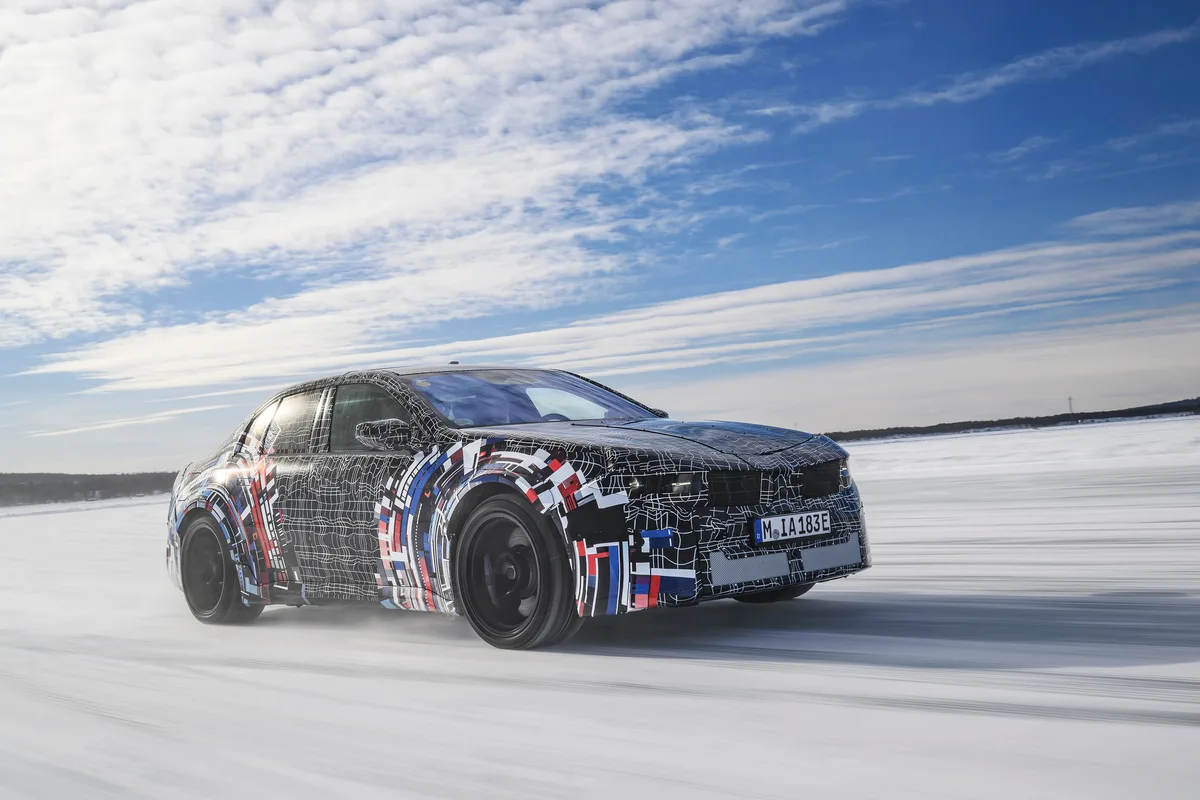
Chassis rigidity has been significantly reinforced, with structural bracing added between the battery and the axles, alongside new connections between the front shock towers and A-pillars. To ensure these performance gains translate to the road, the M3 will be equipped with Michelin Pilot Sport S 6 tires, marking one of the first production applications of this high-performance rubber.
Enhancing the driver engagement, BMW has integrated simulated gear shifts and a synthetic soundtrack inspired by traditional internal combustion engines. These features aim to preserve the visceral experience characteristic of the M badge in an electric era. While the electric model leads the charge, the company remains committed to offering a hybrid combustion-based variant for enthusiasts who prefer traditional powertrain architectures.
Baca Juga

Mercedes raih izin sistem kemudi otomatis point-to-point pertama di Jerman. Simak analisis teknologi dan jadwal peluncuran program akses awal di sini.
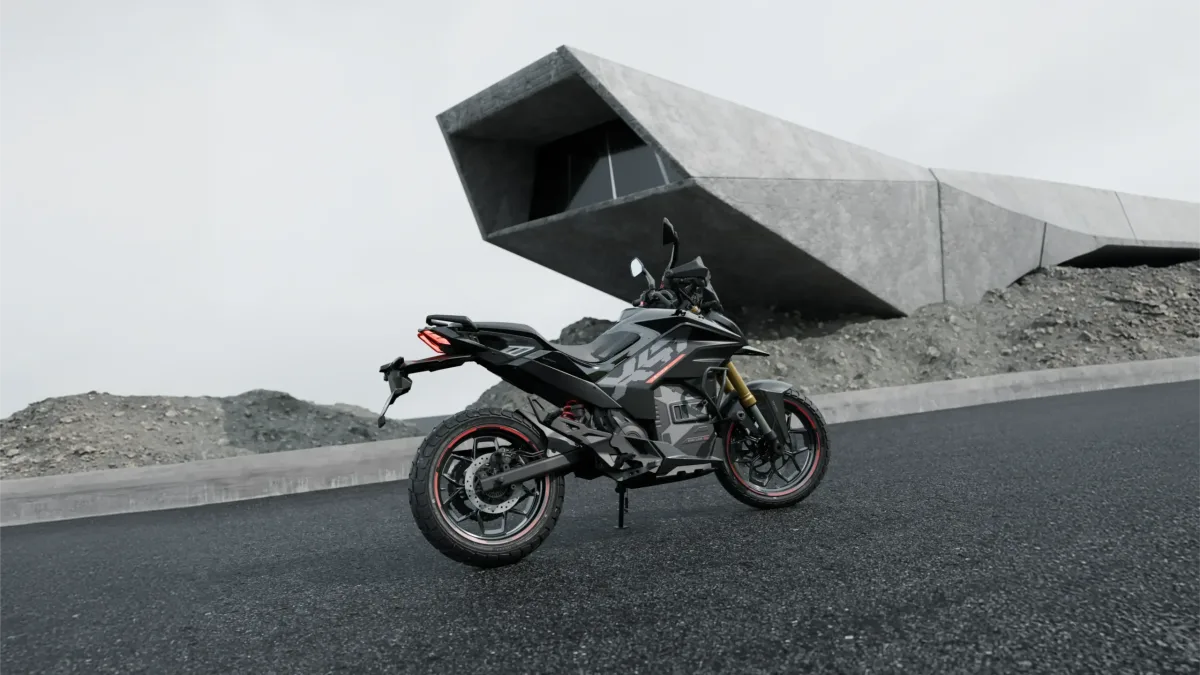
Ultraviolette X-47 Venom hadir dengan radar 77 GHz dan performa 40 HP untuk pasar Eropa. Simak spesifikasi teknis lengkap dan keunggulannya di sini.
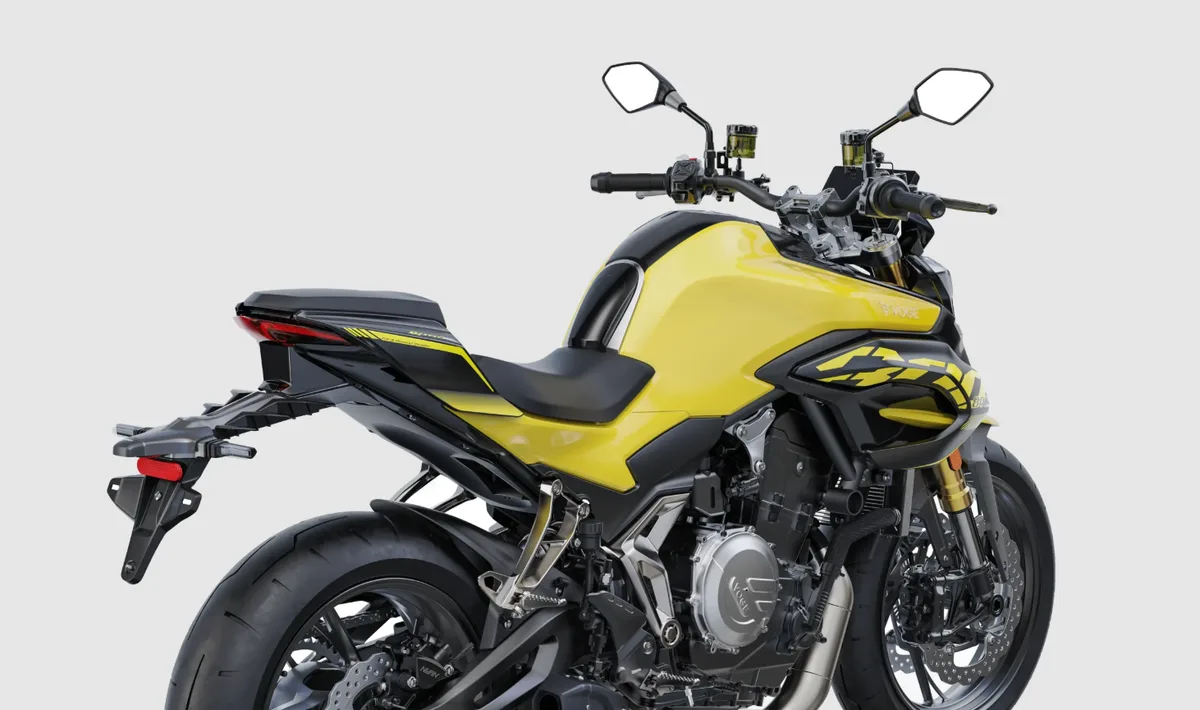
VOGE R800 hadir di EICMA 2026 dengan mesin 798cc dan tenaga 95 CV. Simak analisis mendalam, spesifikasi lengkap, dan jadwal rilisnya di sini.
 Lanjutkan dengan Google
Diskusi & Komentar (0)
Mari Bergabung dalam Diskusi!
Masuk dengan mudah untuk mulai memberikan komentar, membalas, dan berinteraksi dengan pembaca lainnya.
Komentar Terbaru
Belum ada komentar. Jadilah yang pertama!