







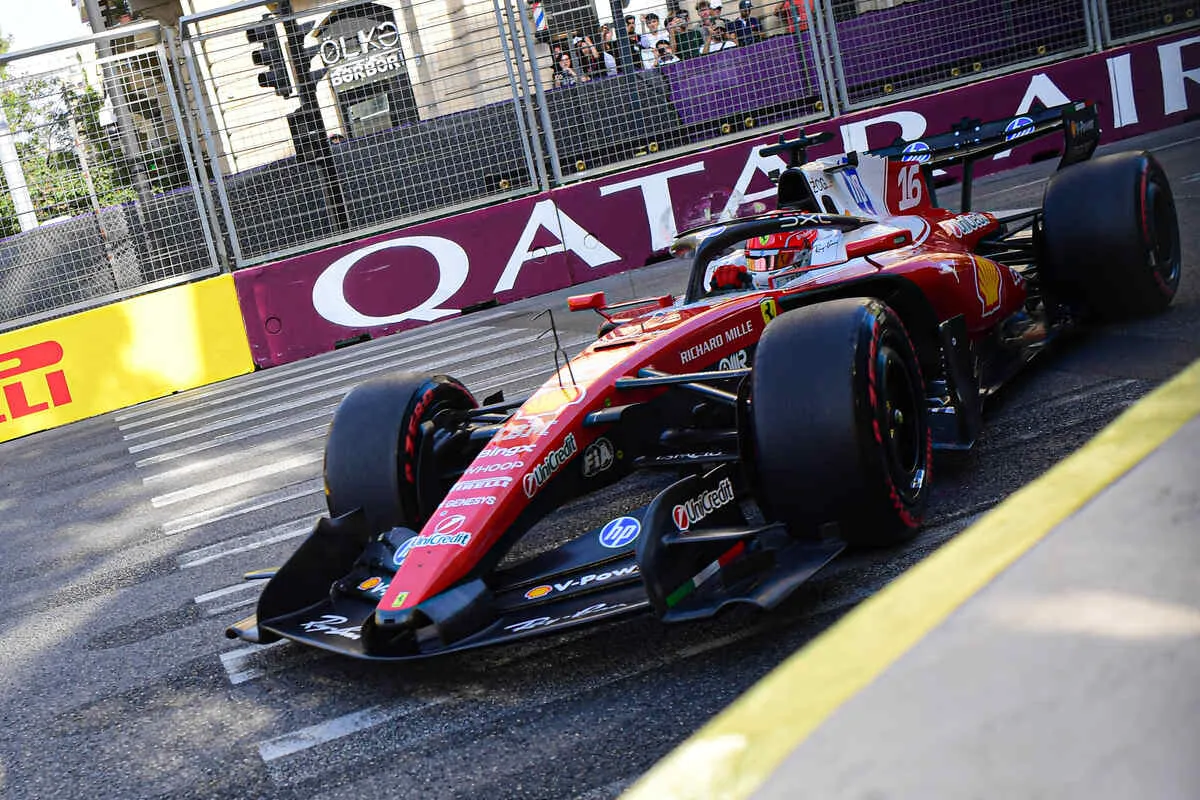

George Russell and Charles Leclerc turned the form book upside down at the Azerbaijan Grand Prix. The two drivers who have spent most of the 2026 season struggling to adapt to the new-generation cars suddenly locked out the front row in Baku. This isn't just a random coincidence; it's a clear sign that the streets of Azerbaijan have a unique way of freeing those who have been shackled by the latest technical regulations.
For Russell, the Baku weekend felt like a breath of fresh air. With Andrea Kimi Antonelli crashing out early at Turn 1, the Briton had a clear path to showcase his pace. But his superiority cannot be dismissed as merely the absence of his teammate. Russell topped nearly every session, suggesting his Mercedes W17 has found a sweet spot on Baku's demanding asphalt.
Leclerc's resurgence follows a similar pattern. Baku has always been one of his favourite tracks, but this year a regulatory quirk played into his hands. To preserve battery energy for the long straight, the FIA made electric deployment optional in almost every corner, effectively decoupling throttle input from energy consumption. This allowed Leclerc's aggressive style to flourish without the usual penalty. It's a reminder that the 2026 rules often punish those who push the limit, rewarding efficiency instead. In Baku, the pendulum swung back.
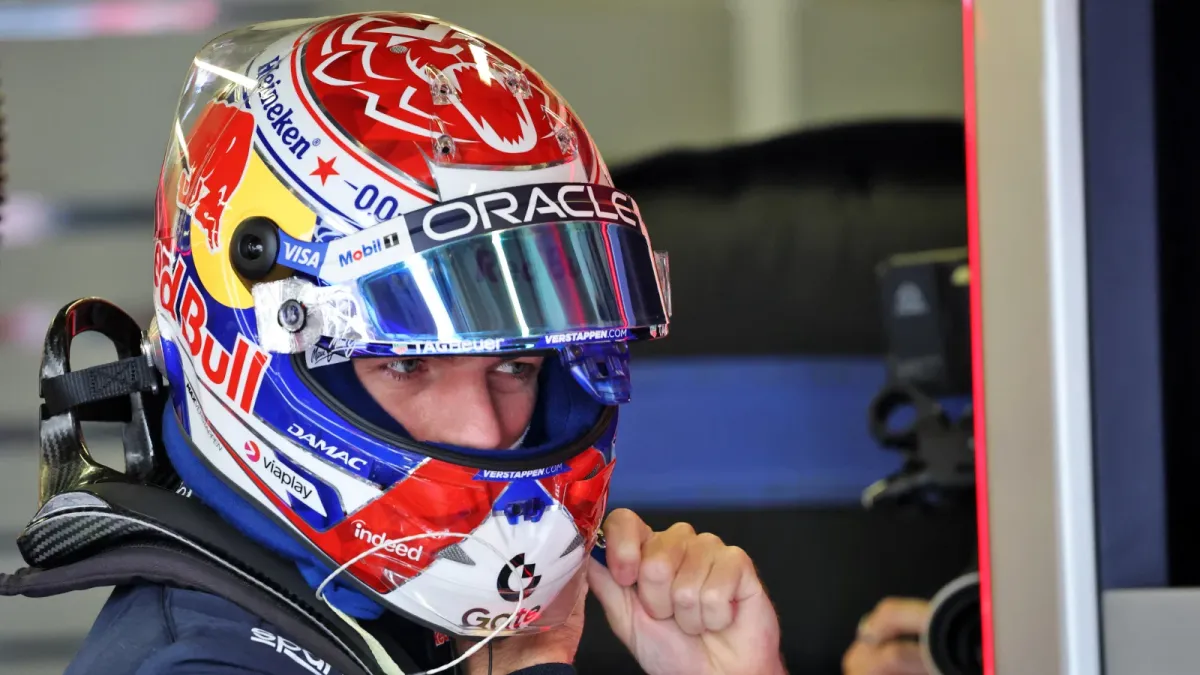
Another key factor is the new Pirelli rubber. Several teams, including Mercedes and McLaren, have noted that the 2026 tyres struggle to handle combined longitudinal and lateral forces—braking while turning. Drivers with an aggressive entry like Antonelli benefit from weight transfer, but in Baku, those who managed their tyres and maintained momentum reaped the rewards. Russell and Leclerc proved that smart adaptation beats raw aggression.
The shake-up wasn't limited to those two. Oscar Piastri and Isack Hadjar completed the top four, reinforcing that Baku truly turns the order on its head. Meanwhile, Ferrari left with a positive note but acknowledged that their issues go beyond power unit deficits. Leclerc's front-row start is a morale boost, yet it also serves as a warning that this form may not translate to other circuits.
For fans, Baku delivered a spectacle that reminds us that F1 is as much about the human in the cockpit as it is about technology. Regulations may tighten the screws, but tracks like Baku can set drivers free. Russell and Leclerc now have a golden chance to convert their grid positions into strong results—and send a message to their rivals: never write off a fighter.
Baca Juga
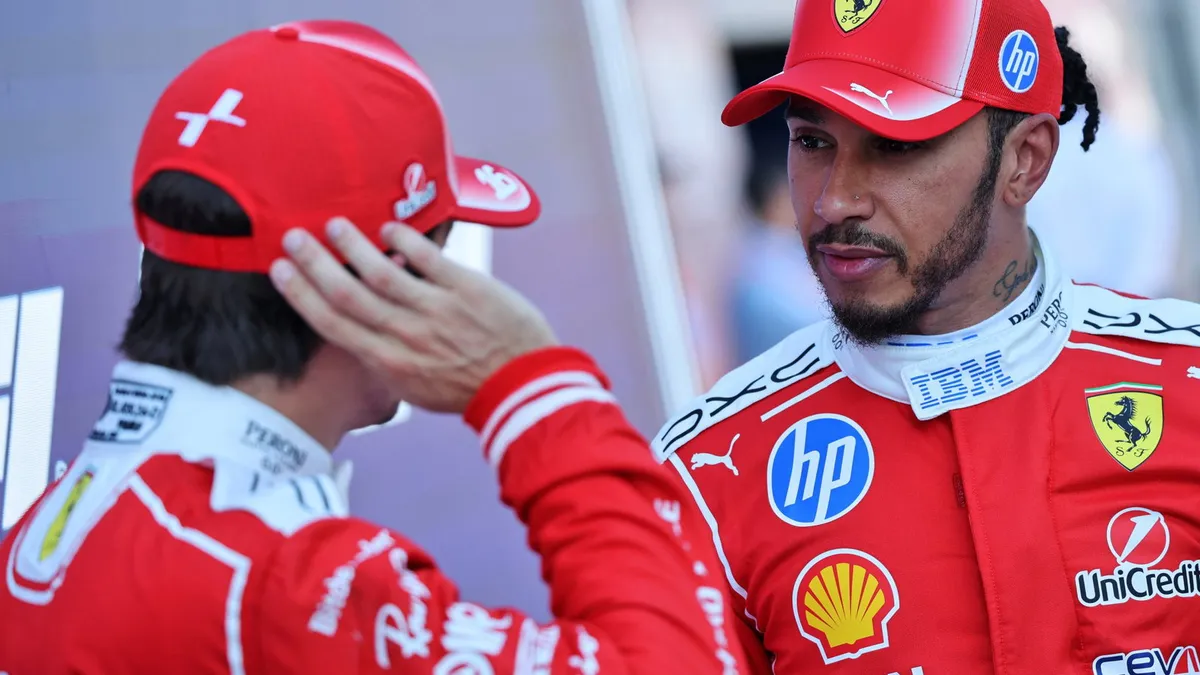
Jacques Villeneuve menyoroti dinamika 'aneh' antara Lewis Hamilton dan Charles Leclerc di Ferrari. Ketegangan internal ini berisiko merusak harmoni tim dan peluang juara F1 2026.
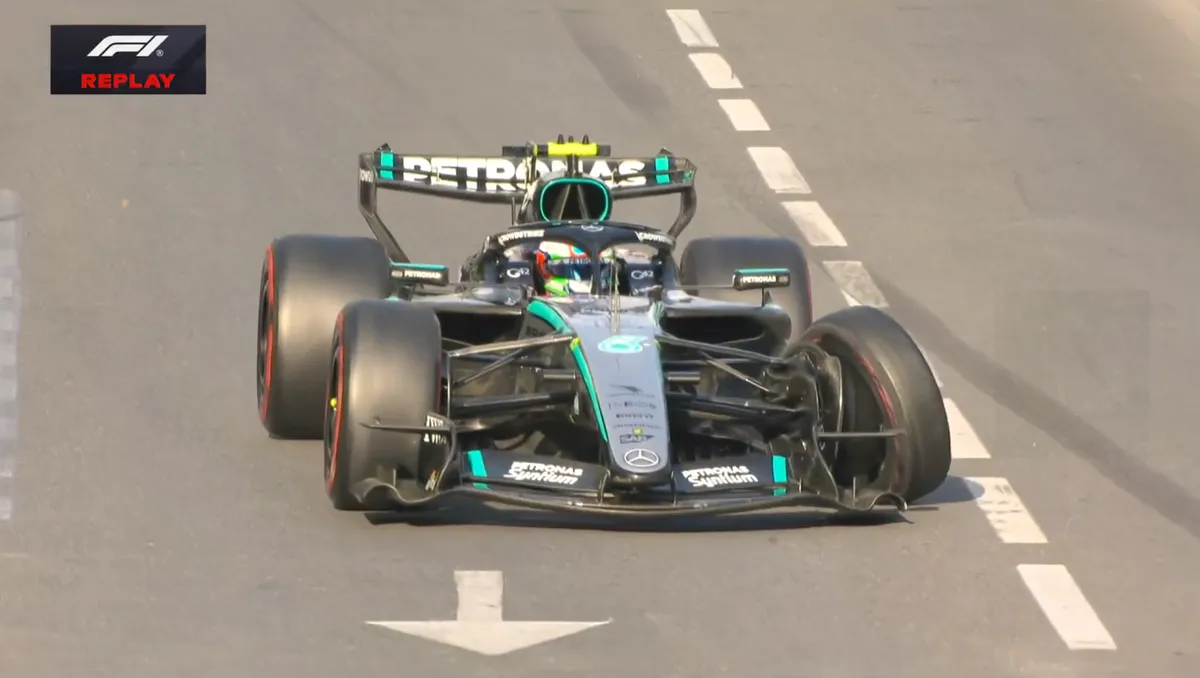
Andrea Kimi Antonelli meradang setelah kesalahan di kualifikasi F1 GP Baku 2026 membuatnya start ke-16. Rekan setimnya, George Russell, merebut pole.
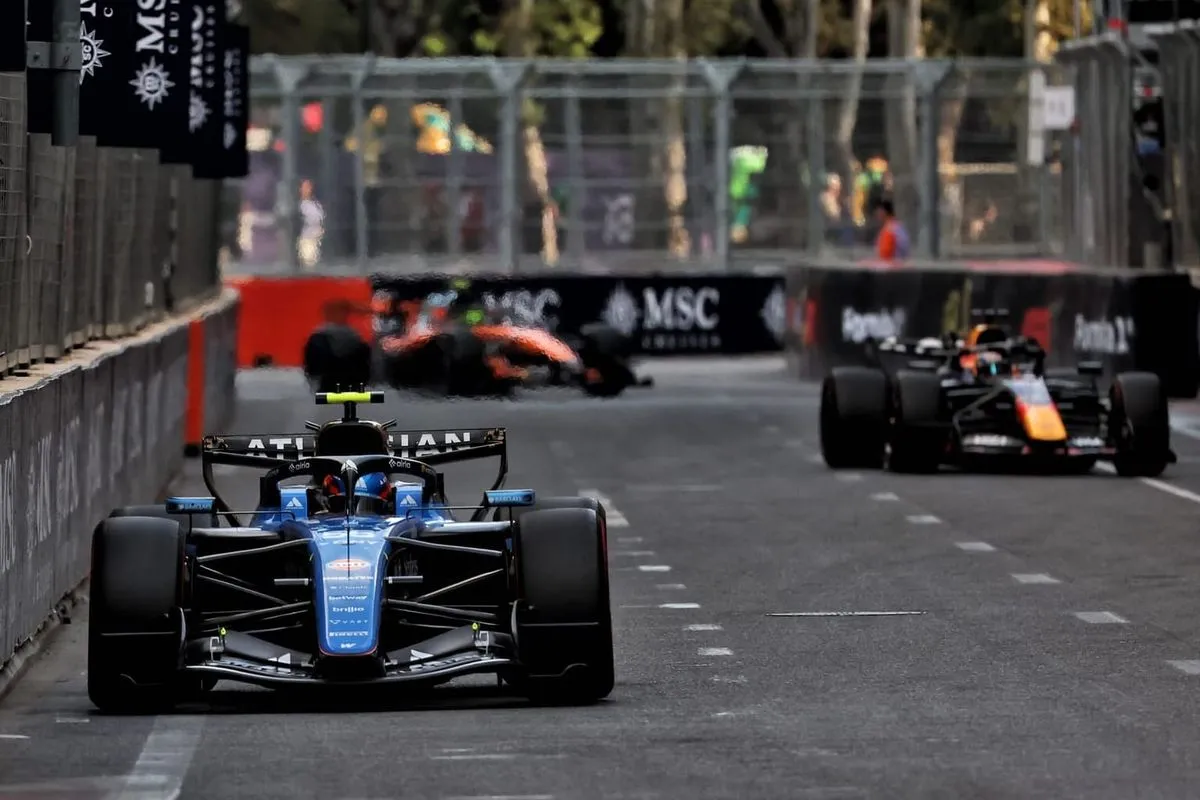
Carlos Sainz dihukum turun lima posisi di grid GP Azerbaijan karena mengabaikan bendera kuning. Williams kehilangan posisi start terbaik musim ini.
 Lanjutkan dengan Google
Diskusi & Komentar (0)
Mari Bergabung dalam Diskusi!
Masuk dengan mudah untuk mulai memberikan komentar, membalas, dan berinteraksi dengan pembaca lainnya.
Komentar Terbaru
Belum ada komentar. Jadilah yang pertama!