








Williams finally ended a point drought lasting nearly three months. At the Azerbaijan Grand Prix, their long-awaited major update brought fresh hope: Carlos Sainz set the ninth-fastest time before a grid penalty, marking one of the team's best qualifying performances of the 2026 Formula 1 season. But is this a sign of true revival or merely an illusion of the Baku circuit?
Measuring the impact of car development in Formula 1 is always tricky. Teams can appear to move forward, stagnate, or even go backwards. To get an objective picture, we need to look at relative performance against rivals, not just raw results. One approach is to convert lap times into a percentage of the fastest time of each weekend. This method eliminates variables like track length, weather, temperature, or grip levels, making comparisons across circuits fairer.
With that approach, we can map the position of teams outside the big four — Mercedes, Ferrari, Red Bull, and McLaren — based on their average performance this season. The Baku data is then compared to that average. The philosophy is clear: one swallow doesn't make a summer. Let's break it down.
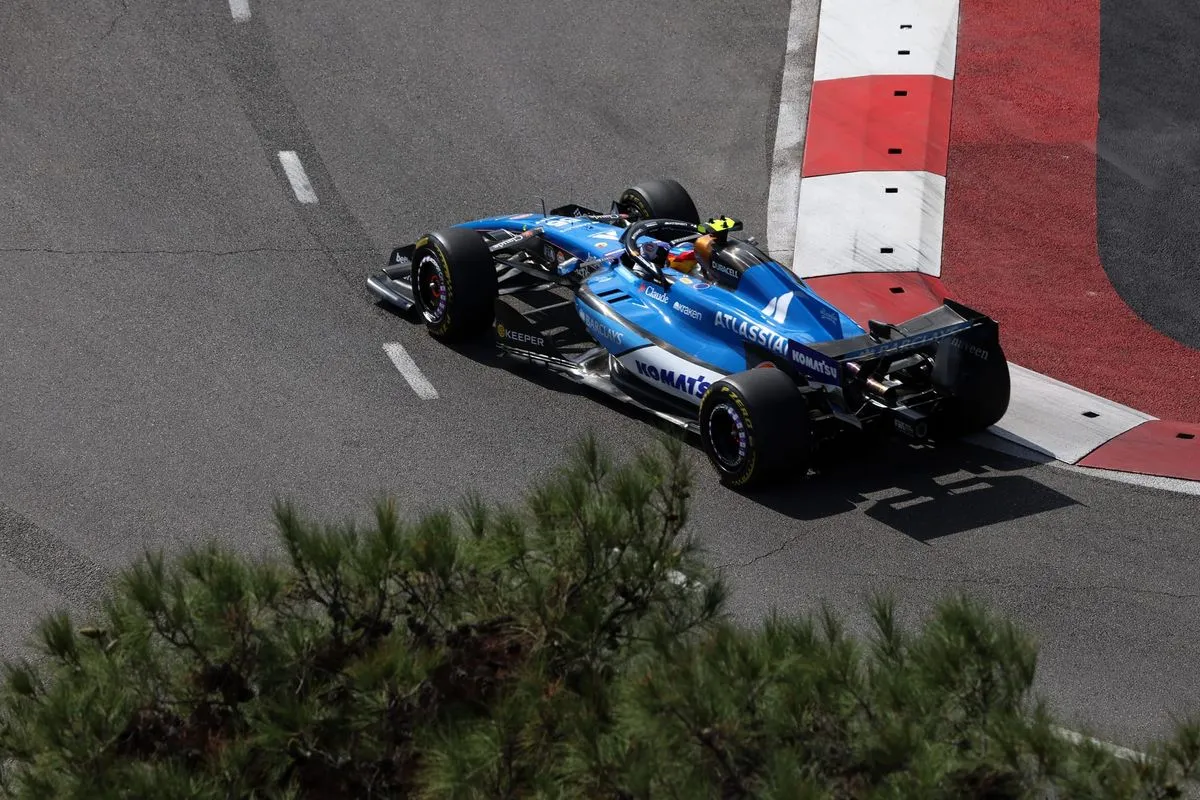
Williams arrived in Baku with a significant weight reduction. Aerodynamically, no major changes were visible that could boost performance. In F1, every 10 kilograms of excess weight equates to a lap time loss of around 0.3 seconds. If we compare Williams's Baku performance to their season average, the team was 0.759% faster. That figure indicates a weight saving of up to 20 kilograms. A big step, but also ironic: Williams should never have started the season overweight.
The only troubling note is that Williams were actually more competitive in Miami back in May, at least in terms of gap to the frontrunners. Nevertheless, being the sixth-fastest team overall in Baku is far better than the season average of ninth. This improvement is real, but the circuit context must still be considered.
Interestingly, this analysis also confirms that the power unit still plays a bigger role than the chassis. Four of the five teams outside the big four recorded their best performance at Monza, a circuit heavily dependent on engine power. Meanwhile, Alpine became the first team to introduce a major upgrade package after the August break, at Zandvoort. They had more time to optimise the setup, and in recent races, their gap to Racing Bulls has shrunk dramatically.
On the other hand, there is a worrying fact: Audi actually went backwards in Baku despite bringing various developments. This was Audi's first race with the new aerodynamic package, and the results fell short of expectations. Conversely, Alpine showed a positive trend. Meanwhile, Williams, with weight reduction as their main weapon, must prove that the Baku performance was not just a flash in the pan. Because in racing, one good result does not guarantee a glorious season.
Baca Juga
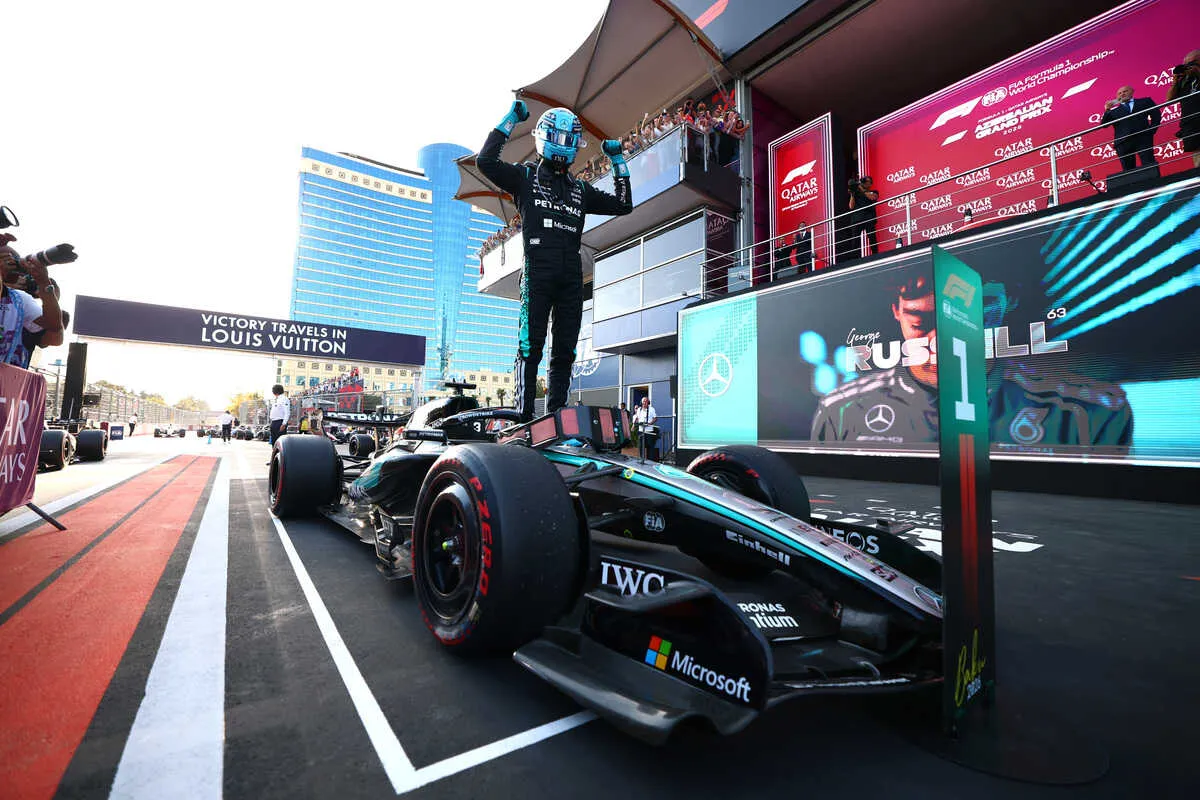
George Russell raih grand slam pertama di F1 usai dominasi GP Azerbaijan. Ia jadi pembalap ke-29, mengulang sejarah Lauda-Regazzoni 1976.
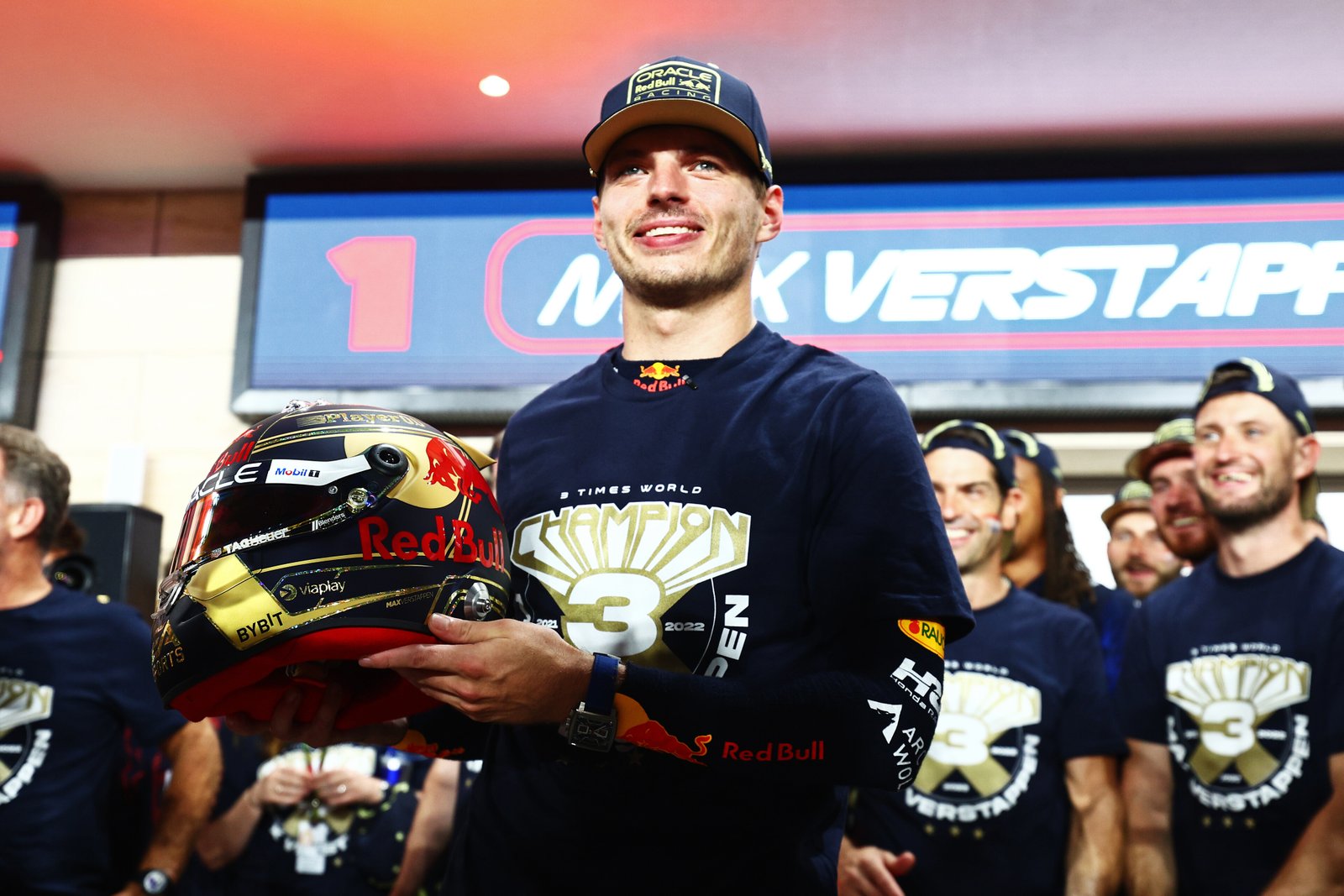
Perjalanan Max Verstappen bersama Red Bull Racing dari remaja kontroversial hingga menjadi juara dunia dan wajah dominan Formula 1.
George Russell menang tipis di GP Azerbaijan 2026. Kimi Antonelli selamat dari crash, Lando Norris desak ban Franco Colapinto. Simak analisis lengkapnya.
 Lanjutkan dengan Google
Diskusi & Komentar (0)
Mari Bergabung dalam Diskusi!
Masuk dengan mudah untuk mulai memberikan komentar, membalas, dan berinteraksi dengan pembaca lainnya.
Komentar Terbaru
Belum ada komentar. Jadilah yang pertama!